

Parkinson's, Toxicity

Researchers are increasingly worried about everyday toxin exposure. Should you be too?

Before you have even left the house this morning, you have probably been exposed to dozens of synthetic chemicals. In your shampoo. Your deodorant. The plastic container you reheated last night’s leftovers in. The air on your drive to work.

Most of us never give it a second thought. Until something goes wrong.

Many chronic diseases take years, even decades, to develop. By the time symptoms appear, the exposures behind them may have been quietly building for a very long time.

Prevention starts long before symptoms do.

Parkinson’s is the fastest-growing neurological condition in the world. It is easy to assume it runs in families. For most people, it does not.

Neurologist Dr Ray Dorsey, co-author of Ending Parkinson’s Disease, points out that only about 13% of people with Parkinson’s carry a known genetic cause or risk factor. He goes further, describing Parkinson’s as largely a man-made disease, with pesticides, industrial solvents such as TCE and air pollution among the main suspects.

For most people, the answer is more likely to lie outside our DNA.

Paraquat has been banned, phased out or withdrawn in more than 70 countries. In Australia and the USA, it is still legal.

In June 2026, the Australian Pesticides and Veterinary Medicines Authority (APVMA) decided to keep it on the market, with tough new restrictions on application rates, permitted uses, mixing and loading, backpack sprayers and protective equipment.

So why the controversy? A large body of research linking paraquat with Parkinson’s:

  • A 2011 study found people who had used paraquat or rotenone had about 2.5 times the odds of Parkinson’s.
  • A 2024 study in California’s Central Valley found people working near paraquat applications year after year had more than twice the odds. Living nearby was also linked with higher odds.

The APVMA’s position is that the weight of evidence does not show approved use increases Parkinson’s risk. Parkinson’s Australia and other researchers are not convinced.

Not everyone exposed to paraquat will develop Parkinson’s. Age, genetics and lifestyle all play a part. But if you have worked in farming, horticulture or anywhere herbicides were sprayed regularly, this deserves your attention.

In 2022, the largest analysis of its kind pooled sperm count data from men around the world, including Australia. The findings are confronting:

  • Average sperm concentration fell from about 104 million per mL in 1973 to 49 million per mL in 2018. That’s a drop of 51.6%.
  • The decline more than doubled after 2000, from 1.16% a year to 2.64% a year.
  • For the first time, the fall was confirmed in South and Central America, Asia and Africa, not just Western countries.

Fertility is often treated as a women’s issue. It isn’t. Male factors contribute to around half of all infertility cases, yet men are far less likely to be tested or supported.

To put that in perspective, the chance of conceiving starts to fall once sperm concentration drops below about 40 million per mL. The average man is now not far above that line.

Nobody knows for certain, but one explanation stands out. A man’s ability to make sperm is largely set before he’s born, during a short window when his testes are forming in the womb. Exposure to hormone-disrupting chemicals by the pregnant mother can affect his sperm production for life.

Now think about the timing. The men measured after 2000 were mostly born in the 1970s and 1980s, the first generations whose mothers were surrounded by plastics, synthetic fragrance and pesticides every day. Global plastic production has grown from a few million tonnes in 1950 to more than 400 million tonnes a year today.

Lifestyle plays a part too, but it doesn’t explain everything.

What your mother was exposed to may be shaping your fertility now. And what you’re exposed to today may shape your children’s.

Phthalates (found in synthetic fragrance, soft plastics and some personal-care products) and bisphenols like BPA (found in some plastics, can linings and shop receipts) can mimic, block or scramble your body’s hormone signals.

  • In a landmark study led by Dr Shanna Swan, baby boys whose mothers had higher phthalate levels during pregnancy were more likely to show changes in genital development linked with lower male hormone activity in the womb.
  • US government biomonitoring found BPA in the urine of 93% of people tested.

Here’s the hopeful part. It takes around three months to make a new batch of sperm, so the changes you make today show up in the sperm of three months’ time. If you’re planning a pregnancy, both partners should start cutting back now.

Bowel cancer in Australians in their 30s has nearly tripled since 2000. In Australians in their 20s, it has more than doubled.

Of 50 countries compared in The Lancet Oncology, Australia had the highest rate of bowel cancer in people under 50. And it’s not only bowel cancer. Breast, thyroid, kidney and prostate cancers are also rising in Australians under 50.

Our genes haven’t changed in 25 years. Our environment has.

Only around 5 to 10% of cancers are caused by inherited gene mutations. The rest are shaped by what we eat, drink, breathe and put on our skin, day after day, year after year.

So what are we living with? Some of the chemicals in everyday Australian life now carry cancer classifications from the World Health Organization’s cancer agency (IARC):

  • Forever chemicals (PFAS). PFOA was classified in 2023 as carcinogenic to humans, IARC’s highest category. Australia banned it, along with two other PFAS, from 1 July 2025. But there are thousands of PFAS, and most non-stick pans are still coated in PTFE, another forever chemical. “PFOA-free” doesn’t mean PFAS-free. ABS testing found PFAS in the blood of more than 85% of Australians.
  • Glyphosate. The world’s most widely used weedkiller has been classified as probably carcinogenic to humans since 2015, and the highest exposure has been linked with a 41% higher risk of non-Hodgkin lymphoma. It’s still sprayed on Australian farms, in council parks and along footpaths, and sold off the shelf at hardware stores as Roundup.
  • TCE. This degreasing and dry-cleaning solvent is classified as carcinogenic to humans and linked with kidney cancer. It’s the same chemical linked with Parkinson’s.
  • Chemical hair straighteners. In a study of more than 33,000 women, frequent users had more than double the risk of uterine cancer by age 70.

Don’t wait for the government to catch up. Bans are slow, they cover only a handful of the thousands of chemicals in use, and older PFAS linger in the body for years. PFOA takes around two to four years just to drop by half.

Every swap you make, from your frying pan to your water filter, is one less exposure your body has to carry. Toxins aren’t the only cause of cancer. But they’re one you can start doing something about today.

Microplastics and nanoplastics have now been found in human blood vessels, liver, kidneys and brain tissue. Scientists are still working out what that means long term.

I’m not waiting for the final answer when the fix is this easy. Stop heating food in plastic, and cut back on single-use plastics wherever you can.

  • Stop heating food in plastic.
  • Switch to glass or stainless steel.
  • Cut back on synthetic fragrance at home and in the bathroom.
  • Swap personal-care and cleaning products for better ones as they run out.
  • Take your shoes off at the door.
  • Fix damp, leaks and mould promptly.
  • Open the windows. Ventilation matters.
  • Go easy on pesticides and herbicides in the garden.
  • Wear proper protective gear around paint, solvents and chemicals.
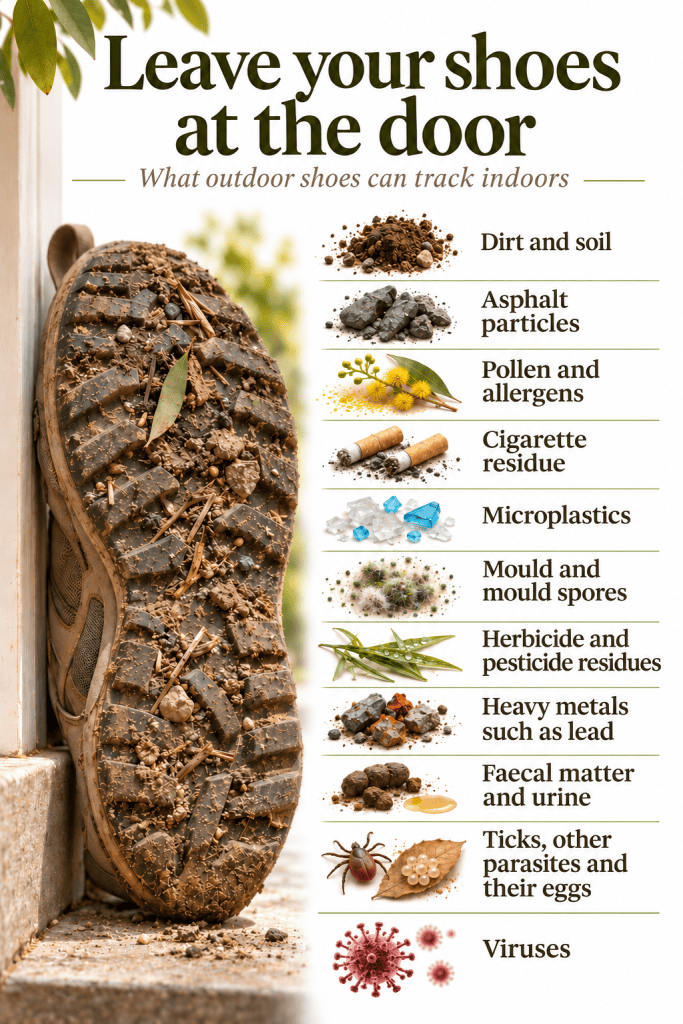
Toxins you may bring into your home daily

You can’t undo an exposure from 20 years ago. But you can find out what your body is dealing with now.

The NutriPATH All-Tox Profile is a single urine test covering mould toxins, heavy metals, pesticides and herbicides, plastic-related chemicals, PFAS and solvents. For even more detail, the MOE-Tox Complete Profile adds organic acids, giving extra insight into energy production, detoxification pathways and gut microbial activity.

I particularly recommend testing if you have a history of:

  • mould or water damage at home or work
  • farming, horticulture or occupational chemical exposure
  • repeated renovations
  • heavy pesticide use
  • ongoing health concerns where your toxic load might be part of the picture

Your results show what your body has been exposed to and is carrying right now. Together with your history and symptoms, they let me build a plan to reduce your exposure and support your body’s natural detoxification pathways, so we’re working on the root cause rather than just managing symptoms.

One urine sample, collected at home then sent to the lab. Both testing packages include a 1 hour telehealth consultation with Naturopath Lisa to go through your results and your personalised plan.

Detox, Lymphatic Health, Parkinson's, Toxicity, Womens Health

Unlocking the Power of Your Lymphatic System: Why Lymphatic Health Matters

As a naturopath, one of the most overlooked areas for total health is the lymphatic system—a vital network that plays a central role in detoxification, immune function, and inflammation control.


What Is the Lymphatic System?

The lymphatic system is a complex network of lymph vessels, nodes, and organs (like the spleen, tonsils, and thymus) that act as the body’s waste disposal and immune surveillance system. It helps remove toxins, cellular debris, metabolic waste, and pathogens—keeping your internal environment clean and balanced.

Unlike the cardiovascular system, which has the heart to pump blood, the lymphatic system relies on movement, breath, hydration, and manual stimulation to circulate lymph fluid. That means when lifestyle or health issues slow this system down, toxins accumulate and inflammation rises.


The Benefits of a Healthy Lymphatic System

Keeping your lymphatic system flowing optimally supports nearly every other system in your body. Benefits include:

Improved Immunity
Lymph nodes filter pathogens, while lymphatic vessels transport white blood cells to fight infections efficiently.

Efficient Detoxification
Good lymphatic flow helps clear environmental toxins, metabolic waste, heavy metals, and excess hormones—lightening the load on your liver and kidneys.

Inflammation Control
Lymphatic drainage reduces tissue swelling and helps resolve inflammation, supporting conditions like arthritis, allergies, and chronic pain.

Clearer Skin and Reduced Puffiness
Lymph congestion can show up as acne, eczema, cellulite, or facial puffiness—especially under the eyes or around the jawline.

Increased Mental Clarity and Energy
When toxins are cleared efficiently and the immune system is calm, mental fog lifts and fatigue reduces.

Hormonal Balance
The lymphatic system helps metabolize and excrete excess hormones, especially estrogen, which can support relief from PMS, fibroids, and hormonal acne.


The Deeper Impact: Autoimmune and Neurodegenerative Links

Emerging research and clinical insights have shown that poor lymphatic function may contribute to chronic inflammation, a known driver of autoimmune disorders such as:

  • Rheumatoid arthritis
  • Hashimoto’s thyroiditis
  • Lupus
  • Multiple sclerosis
  • Psoriasis

When lymph flow is stagnant, immune signaling becomes distorted. This can increase the risk of the immune system attacking the body’s own tissues—a hallmark of autoimmune disease. Supporting lymphatic flow may help regulate immune function and reduce inflammatory flare-ups.

There’s also growing awareness of the link between impaired lymphatic drainage and neurodegenerative diseases such as:

  • Alzheimer’s disease
  • Parkinson’s disease
  • Multiple sclerosis (MS)
  • Chronic fatigue syndrome
  • Cognitive decline and brain fog

The brain relies on its own unique lymphatic-like system, called the glymphatic system, to clear metabolic waste and neurotoxins. This system is most active during deep sleep. When the glymphatic system is sluggish—often due to dehydration, poor sleep, stress, or systemic congestion—neurotoxic buildup can occur, contributing to memory issues, brain fog, and cognitive decline.


What Happens When the Lymphatic System Is Sluggish?

Signs of poor lymphatic drainage can include:

  • Chronic fatigue or low energy
  • Brain fog or poor memory
  • Recurring infections or slow recovery
  • Swelling in the hands, feet, or face
  • Digestive sluggishness
  • Skin conditions such as eczema or acne
  • Muscle aches, joint pain, or stiffness
  • Headaches, particularly around the eyes or base of the skull

These may be early warning signs that your lymphatic system is struggling to eliminate waste, leading to increased inflammation and immune dysregulation.


How to Support Your Lymphatic System Naturally

Fortunately, you can support your lymphatic health with simple daily habits:

  • We love Chelsey Jean’s lymphatic massage gloves the best!
  • Dry skin brushing and lymphatic massage
  • Gentle movement such as walking, yoga, swimming, or rebounding on a mini trampoline
  • Adequate hydration—aim for 2 to 3 litres of water per day
  • Deep diaphragmatic breathing to stimulate lymph flow through the thoracic duct
  • A whole-food, anti-inflammatory diet
  • Herbal and nutritional support as guided by Naturopath Lisa in an appointment for your individual circumstances
  • Castor oil packs over the abdomen or liver area to gently stimulate detox


Want to know more?

The lymphatic system is central to your body’s ability to detoxify, heal, and defend against disease. Whether you’re managing chronic inflammation, autoimmune symptoms, fatigue, or simply want to feel lighter and more vibrant, supporting your lymphatic flow can make a remarkable difference.

Book a lymphatic treatment at our clinic !

Naturopath Lisa now offers complete Lymphatic Health Sessions explaining lymphatic health in your particular circumstances, what you can do to help, diet and recipes, suggested supplements and demonstrating lymphatic drainage for your body and face for you to do at home. Optional choice to also purchase the Chelsey Jean massage gloves and lymphatic creams at the end of the session for home use.

BOOK NOW

Toxicity

EMFs and Your Health

  1. Understanding Electromagnetic Fields (EMFs)
  2. What is Natural Background?
  3. Natural Background vs. Typical EMF Levels in the Home
  4. Why Should We Care About The Profound Increase In EMFs ?
  5. Steps to Reduce EMF Exposure
  6. EMF ASSESSMENT IN YOUR HOME

Understanding Electromagnetic Fields (EMFs)

Electromagnetic fields (EMFs) are invisible waves of energy produced by electricity, wireless devices, and digital technologies. While some EMFs are naturally occurring (like the Earth’s magnetic field), most of what we encounter today is artificial and has increased exponentially in just the last century. These modern exposures come from sources like mobile phones, Wi-Fi routers, Bluetooth devices, smart meters, power lines, and more.

What is Natural Background?

Natural background EMFs refer to the extremely low levels of electromagnetic radiation that exist in nature and that life on Earth evolved with. These signals come from sources like the Earth’s magnetic field, solar activity, and the Schumann Resonance—a natural frequency that pulses between the Earth’s surface and the ionosphere. The ionosphere is a layer of the upper atmosphere filled with charged particles that interact with solar energy and help transmit natural electromagnetic signals back to Earth. These signals are stable, predictable, and incredibly subtle.

They are so fundamental to life that they act like nature’s “operating instructions.” The human body—especially the brain, heart, and nervous system—uses these electromagnetic cues to regulate key functions like:

  • Sleep and wake cycles – Natural EMFs help set our circadian rhythm, which controls when we feel awake or sleepy.
  • Brainwave rhythms – Brain activity runs on electrical patterns that align with Earth’s frequencies, supporting focus and relaxation.
  • Hormone release (e.g. melatonin, cortisol) – Hormones are released based on time cues from environmental EMFs, impacting energy, mood, and repair.
  • Immune activity – The immune system is influenced by electromagnetic signals that help it stay regulated and responsive.
  • Mood and mental clarity – Balanced brainwaves and hormones, both regulated by natural EMFs, affect how we think and feel.
  • Cell-to-cell communication – Cells use tiny electrical charges to talk to each other, which depend on the body being in sync with natural EMFs.

An everyday example of how this works: The gravitational pull of the moon regulates the tides in the ocean—huge masses of water that rise and fall in a predictable rhythm. Just as the moon influences the ocean, Earth’s electromagnetic rhythms affect the “tides” of our biology—subtle shifts in brainwaves, hormone release, and even gene expression.

These cues are incredibly faint, but the body is exquisitely sensitive to them. Unfortunately, the artificial EMFs from modern devices are not only vastly stronger—they are chaotic, pulsed, and often completely out of sync with these natural signals. This mismatch can disrupt the body’s internal timing and cause stress at the cellular level.

Natural Background vs. Typical EMF Levels in the Home

To appreciate the difference between healthy and harmful exposure levels, we need to compare natural background levels to those found in modern homes.


Type of EMF
Natural BackgroundModern Home (Typical)Building Biology Safe Limit (Bedroom)Increase
Radio Frequency (RF) (Wi-Fi, cell towers, Bluetooth)<0.00002 V/m0.434 V/m (10 million µW/m²)<5 µW/m²2,170,000% higher
Electric Fields (EF) (wiring, plugged-in devices)0.0001 V/mUp to 10 V/m<0.3 V/m10,000,000% higher
Magnetic Fields (MF) (appliances, power lines)0.000002 mG<2 mG<0.2 mG100,000,000% higher

Why Should We Care About The Profound Increase In EMFs ?

EMFs are not inert. They are biologically active and can trigger significant physiological changes—even at levels far below current safety guidelines. Research* shows:

  1. Disruption of Voltage-Gated Calcium Channels (VGCCs): EMFs activate VGCCs—tiny gateways in your cells that regulate calcium flow. When these channels open uncontrollably, they cause a calcium overload inside the cell. This leads to inflammation, oxidative stress, mitochondrial dysfunction, and DNA damage. This mechanism is believed to underlie symptoms like fatigue, tinnitus, insomnia, anxiety, and even cardiac arrhythmias.
  2. DNA Damage: Multiple studies have shown that EMFs can induce both single- and double-strand breaks in DNA. These breaks increase the risk of mutations and are strongly associated with infertility, neurodegeneration, and cancer development.
  3. Melatonin Suppression and Circadian Rhythm Disruption: Melatonin, a hormone essential for sleep and cellular repair, is suppressed by EMFs—especially blue light from screens and wireless radiation. Reduced melatonin levels are linked to insomnia, immune dysregulation, and elevated cancer risk.
  4. Breakdown of the Blood-Brain Barrier (BBB): EMF exposure can make the BBB more permeable, allowing toxins and inflammatory molecules to enter the brain. This contributes to brain fog, cognitive decline, and mood disturbances.
  5. Oxidative Stress and Inflammation: EMFs stimulate excessive production of reactive oxygen species (ROS), which damage cell membranes, proteins, and DNA. This oxidative stress contributes to chronic inflammation and is a known factor in the progression of nearly all chronic diseases.
  6. Reproductive and Hormonal Effects: The testes and ovaries have a high density of VGCCs, making them especially vulnerable. EMF exposure has been linked to decreased sperm motility, increased sperm DNA fragmentation, altered hormone levels, and potential risks to fetal development during pregnancy.
  7. Neurodevelopment and Mental Health: There is growing concern about EMFs affecting children’s developing nervous systems. The bodies of children absorb twice the amount compared to adults. EMFs have been found to directly impact neuronal formation in the brain. Studies suggest increased risk for behavioral issues, attention difficulties, anxiety, and depression with early and ongoing EMF exposure.

*See scientific references below.

Steps to Reduce EMF Exposure

Safer Mobile Phone Use:

  • Use speakerphone or air-tube headsets.
  • Avoid wireless earbuds and Bluetooth devices.
  • Keep your phone in airplane mode when near your body.
  • Avoid phone use with weak signal. It emits up to 10,000 times more radiation when using with a weak signal. Don’t use whilst driving either.
  • Set email to manual fetch so your phone is not frequently downloading and emitting/receiving radiation.
  • Keep phone at least one foot from your body when in use.

Safer Wireless Use at Home:

  • Turn off routers when not in use, especially overnight.
  • Turn off at the wall to ensure full shutdown.
  • Never place routers in bedrooms or next to beds and desks.
  • Avoid Wi-Fi extenders and boosters near living/sleeping areas.
  • Use Ethernet (hardwired) connections wherever possible.
  • Keep smart meters and base stations away from bedrooms and common areas.
  • Consider shielding or relocating smart meters.

Bedroom EMF Hygiene:

  • Remove all smart and wireless devices from sleeping areas.
  • Unplug electronics (lamps, chargers, electric blankets) at night.
  • Avoid electric blankets.
  • Do not use Bluetooth devices or CPAP machines with wireless functions.
  • Do not sleep near waterbeds, radiant floor heating, or portable heaters.

Laptop and Appliance Tips:

  • Never use laptops on your lap; place them on a desk. For instance men who use a laptop on their laps see sperm motility decrease by 25%.
  • Use ethernet cables instead of Wi-Fi.
  • Avoid sitting, standing or sleeping near appliances. Watchout for smart TVs, wireless speakers, dimmable lights, and -in the kitchen -avoid spending time near the microwave oven, high-speed blenders or mixers, the dishwasher or toaster, and especially an induction oven.

EMF ASSESSMENT IN YOUR HOME

A building biologist can assess the home and workplace, and make recommendations to eliminate or ameliorate EMF exposure. This will reduce mast cell activation and nervous system interference (VGCCs).

To book an EMF testing technician in Australia visit this site https://www.asbb.org.au/emf-testing-technicians

Electromagnetic pollution is an unavoidable reality of modern life. But with awareness and simple lifestyle changes, we can reduce our exposure and support our bodies against its biological impact. If you’re experiencing fatigue, insomnia, anxiety, or unexplained symptoms, consider evaluating EMF exposure as a potential contributor.

[lc_form id=’qgQlF5P5wWSFjlGRzTeR’ title=’Low Tox Living Guide’ ]

Scientific References

  • Sage C. The implications of non-linear biological oscillations on human electrophysiology for electrohypersensitivity (EHS) and multiple chemical sensitivity (MCS). Reviews on Environmental Health 2015, Vol. 30 (Issue 4), pp. 293-303.
  • Bevington M. Electromagnetic Sensitivity and Electromagnetic Hypersensitivity: (Also Known As Asthenic Syndrome, EMF Intolerance Syndrome, Idiopathic Environmental Intolerance – EMF, Microwave Syndrome, Radio Wave Sickness): A Summary. 2013.
  • Pall ML. Electromagnetic fields act via activation of voltage-gated calcium channels to produce beneficial or adverse effects. J Cell Mol Med 2013;17(8):958-65.
  • Lowenthal RM, Tuck DM, Bray IC. Residential exposure to electric power transmission lines and risk of lymphoproliferative and myeloproliferative disorders: a case-control study. Intern Med J. 2007;37(9):614-9.
  • Baldi I, Coureau G, Jaffré A, et al. Occupational and residential exposure to electromagnetic fields and risk of brain tumors in adults: a case-control study in Gironde, France. Int J Cancer. 2011;129(6):1477-84.
  • Huss A, Spoerri A, Egger M, et al. Swiss National Cohort Study. Residence near power lines and mortality from neurodegenerative diseases: longitudinal study of the Swiss population. Am J Epidemiol. 2009;169(2):167-75.
  • Zhao L, Liu X, Wang C, et al. Magnetic fields exposure and childhood leukemia risk: a meta-analysis based on 11,699 cases and 13,194 controls. Leuk Res. 2014;38(3):269-74.
  • Hillman D, Stetzer D, Graham M, et al. Relationship of electric power quality to milk production of dairy herds – field study with literature review. Sci Total Environ. 2013;447:500-14.
  • Milham S. Dirty Electricity: Electrification and the Diseases of Civilization. 2012 iUniverse.
  • Bijlsma, Nicole (building biologist). 2010, Healthy home, healthy family : is where you live affecting your health?
  • Belpomme D, Campagnac C, Irigaray P. Reliable disease biomarkers characterizing and identifying electrohypersensitivity and multiple chemical sensitivity as two etiopathogenic aspects of a unique pathological disorder. Rev Environ Health. 2015;30(4):251-71.
  • Irigaray P, Caccamo D, Belpomme D. Oxidative stress in electrohypersensitivity self-reporting patients: Results of a prospective in vivo investigation with comprehensive molecular analysis. Int J Mol Med. 2018;42(4):1885-1898.
  • Heuser G, Heuser SA. Functional brain MRI in patients complaining of electrohypersensitivity after long term exposure to electromagnetic fields. Rev Environ Health. 2017;32(3):291-299.