Gut Health

Are you a good farmer of your gut microbiome?

I love the way naturopath and microbiome researcher Dr Jason Hawrelak describes our gut.

You’re the farmer. Your gut microbiome is your garden.

What grows depends on what you feed it.

Most people assume that when they swallow a probiotic, the good bacteria settle into the bowel and stay there for good.

For most strains, they don’t. They pass through, do some useful work on the way, and then they’re gone.

That doesn’t make probiotics useless. I use them often, and the right strain at the right time can make a real difference. But no probiotic can build a thriving garden if you’re not feeding the bacteria already living there.

This surprises a lot of people: there’s no fibre in meat, chicken, fish, eggs or dairy. Fibre only comes from plants.

Vegetables, herbs, fruit, berries, nuts, seeds, legumes, whole grains and resistant starch all feed different microbes. And different microbes have different favourite foods.

That’s why variety matters so much. Eating the same three vegetables every day feeds the same few bacteria. A wide range of plants across the week feeds a whole ecosystem.

Try this: count how many different plants you eat in a week. Herbs, spices, nuts and seeds all count. Then try to beat it next week.

Dr Hawrelak calls prebiotics selective fertilisers. Not all fibre counts. Prebiotics specifically feed the beneficial bacteria you want more of.

Great sources include garlic, onion, leeks, asparagus, artichokes, legumes and foods rich in resistant starch, like cooked and cooled potatoes or rice and slightly green bananas.

I aim for around 40 to 45 g of fibre a day for most adults, adjusted to the person.

Most Australians fall well short. Only about 1 in 4 adults eat even the basic recommended amount, fewer than 1 in 5 reach the higher target linked with lower chronic disease risk, and just 6.5% eat enough vegetables.

The funny thing is, most people I see think their fibre intake is pretty good. Most are getting around half of what I’d like to see.

The number is only half the story. Forty grams from a handful of foods isn’t the same as forty grams from a wide variety of plants.

If your diet is low in fibre now, build up gradually. Jumping straight to 40 g is a fast track to bloating. And if you have IBS, SIBO or a sensitive gut, the type and amount of fibre needs to be tailored to you. That’s exactly where I can help.

Legumes and beans are the fibre champions. A cup of cooked lentils has around 16 g of fibre, black beans around 15 g and chickpeas around 12 g. That’s roughly what you’d get from three cups of cooked broccoli. One cup of legumes gets you more than a third of the way to 40 g.

They’re also natural prebiotics, rich in resistant starch and packed with plant protein. If you make one change after reading this, add a serve of legumes every day.

Here’s my shortlist. Rotate through as many as you can each week, and remember: the more variety, the bigger your garden grows.

  • Legumes and beans (your number one fibre source): lentils, chickpeas, black beans, kidney beans, cannellini beans, split peas, edamame and tempeh.
  • Other fibre heavy hitters: raspberries (around 8 g a cup), pears with the skin on, quinoa, buckwheat, and chia and flaxseeds.
  • Prebiotic superstars: garlic, onion, leeks, asparagus, globe and Jerusalem artichokes, dandelion greens, slightly green bananas and pistachios.
  • Polyphenol powerhouses: these feed beneficial bacteria like Akkermansia and Bifidobacteria. Think blueberries, red onion, purple rice, black beans, skin-on almonds, extra virgin olive oil, green tea and cocoa.
  • Gentler options for a sensitive gut: kiwifruit, oranges, buckwheat, brown rice, firm tofu, pomegranate, carrots, macadamias and small serves of canned chickpeas.

What does 40 g look like on a plate? Buckwheat porridge with chia, berries and pistachios for breakfast. A lentil and roast vegetable salad for lunch. A tempeh or tofu stir-fry with brown rice and greens for dinner. That’s your 40 g, and then some.

Want it all in one place? My Good Gut Guide is a 7-page download with everything you need to feed your gut garden:

  • a printable 30 plants a week tracker
  • the best fibre, prebiotic, polyphenol, pectin and ellagic acid foods
  • how to build up your fibre without the bloat
  • sleep, stress and lifestyle tips for a healthier microbiome
  • three easy gut-loving recipes

You can guess what’s happening in your gut, or you can find out.

GutIQ Metagenomic Mapping uses advanced DNA sequencing to identify more than 28,000 microbial species in your gut, including bacteria, fungi and viruses. Most stool tests only look for a short list of usual suspects. This is the most detailed map of your gut garden available.

It also shows:

  • butyrate and other short-chain fatty acids: how well your bacteria are feeding your gut lining
  • beta-glucuronidase: a clue to whether oestrogen is being cleared or recycled
  • zonulin: a marker of gut barrier integrity, often called “leaky gut”
  • calprotectin: inflammation in the bowel
  • secretory IgA: your gut’s front-line immune defence
  • pancreatic elastase and steatocrit: how well you’re digesting food and absorbing fat

It’s worth considering if you have bloating, gas, constipation, loose stools or IBS, food reactions, hormone symptoms, skin issues, low energy, an autoimmune condition, or a long history of antibiotics or reflux medication.


Parkinson's, Toxicity

Researchers are increasingly worried about everyday toxin exposure. Should you be too?

Before you have even left the house this morning, you have probably been exposed to dozens of synthetic chemicals. In your shampoo. Your deodorant. The plastic container you reheated last night’s leftovers in. The air on your drive to work.

Most of us never give it a second thought. Until something goes wrong.

Many chronic diseases take years, even decades, to develop. By the time symptoms appear, the exposures behind them may have been quietly building for a very long time.

Prevention starts long before symptoms do.

Parkinson’s is the fastest-growing neurological condition in the world. It is easy to assume it runs in families. For most people, it does not.

Neurologist Dr Ray Dorsey, co-author of Ending Parkinson’s Disease, points out that only about 13% of people with Parkinson’s carry a known genetic cause or risk factor. He goes further, describing Parkinson’s as largely a man-made disease, with pesticides, industrial solvents such as TCE and air pollution among the main suspects.

For most people, the answer is more likely to lie outside our DNA.

Paraquat has been banned, phased out or withdrawn in more than 70 countries. In Australia and the USA, it is still legal.

In June 2026, the Australian Pesticides and Veterinary Medicines Authority (APVMA) decided to keep it on the market, with tough new restrictions on application rates, permitted uses, mixing and loading, backpack sprayers and protective equipment.

So why the controversy? A large body of research linking paraquat with Parkinson’s:

  • A 2011 study found people who had used paraquat or rotenone had about 2.5 times the odds of Parkinson’s.
  • A 2024 study in California’s Central Valley found people working near paraquat applications year after year had more than twice the odds. Living nearby was also linked with higher odds.

The APVMA’s position is that the weight of evidence does not show approved use increases Parkinson’s risk. Parkinson’s Australia and other researchers are not convinced.

Not everyone exposed to paraquat will develop Parkinson’s. Age, genetics and lifestyle all play a part. But if you have worked in farming, horticulture or anywhere herbicides were sprayed regularly, this deserves your attention.

In 2022, the largest analysis of its kind pooled sperm count data from men around the world, including Australia. The findings are confronting:

  • Average sperm concentration fell from about 104 million per mL in 1973 to 49 million per mL in 2018. That’s a drop of 51.6%.
  • The decline more than doubled after 2000, from 1.16% a year to 2.64% a year.
  • For the first time, the fall was confirmed in South and Central America, Asia and Africa, not just Western countries.

Fertility is often treated as a women’s issue. It isn’t. Male factors contribute to around half of all infertility cases, yet men are far less likely to be tested or supported.

To put that in perspective, the chance of conceiving starts to fall once sperm concentration drops below about 40 million per mL. The average man is now not far above that line.

Nobody knows for certain, but one explanation stands out. A man’s ability to make sperm is largely set before he’s born, during a short window when his testes are forming in the womb. Exposure to hormone-disrupting chemicals by the pregnant mother can affect his sperm production for life.

Now think about the timing. The men measured after 2000 were mostly born in the 1970s and 1980s, the first generations whose mothers were surrounded by plastics, synthetic fragrance and pesticides every day. Global plastic production has grown from a few million tonnes in 1950 to more than 400 million tonnes a year today.

Lifestyle plays a part too, but it doesn’t explain everything.

What your mother was exposed to may be shaping your fertility now. And what you’re exposed to today may shape your children’s.

Phthalates (found in synthetic fragrance, soft plastics and some personal-care products) and bisphenols like BPA (found in some plastics, can linings and shop receipts) can mimic, block or scramble your body’s hormone signals.

  • In a landmark study led by Dr Shanna Swan, baby boys whose mothers had higher phthalate levels during pregnancy were more likely to show changes in genital development linked with lower male hormone activity in the womb.
  • US government biomonitoring found BPA in the urine of 93% of people tested.

Here’s the hopeful part. It takes around three months to make a new batch of sperm, so the changes you make today show up in the sperm of three months’ time. If you’re planning a pregnancy, both partners should start cutting back now.

Bowel cancer in Australians in their 30s has nearly tripled since 2000. In Australians in their 20s, it has more than doubled.

Of 50 countries compared in The Lancet Oncology, Australia had the highest rate of bowel cancer in people under 50. And it’s not only bowel cancer. Breast, thyroid, kidney and prostate cancers are also rising in Australians under 50.

Our genes haven’t changed in 25 years. Our environment has.

Only around 5 to 10% of cancers are caused by inherited gene mutations. The rest are shaped by what we eat, drink, breathe and put on our skin, day after day, year after year.

So what are we living with? Some of the chemicals in everyday Australian life now carry cancer classifications from the World Health Organization’s cancer agency (IARC):

  • Forever chemicals (PFAS). PFOA was classified in 2023 as carcinogenic to humans, IARC’s highest category. Australia banned it, along with two other PFAS, from 1 July 2025. But there are thousands of PFAS, and most non-stick pans are still coated in PTFE, another forever chemical. “PFOA-free” doesn’t mean PFAS-free. ABS testing found PFAS in the blood of more than 85% of Australians.
  • Glyphosate. The world’s most widely used weedkiller has been classified as probably carcinogenic to humans since 2015, and the highest exposure has been linked with a 41% higher risk of non-Hodgkin lymphoma. It’s still sprayed on Australian farms, in council parks and along footpaths, and sold off the shelf at hardware stores as Roundup.
  • TCE. This degreasing and dry-cleaning solvent is classified as carcinogenic to humans and linked with kidney cancer. It’s the same chemical linked with Parkinson’s.
  • Chemical hair straighteners. In a study of more than 33,000 women, frequent users had more than double the risk of uterine cancer by age 70.

Don’t wait for the government to catch up. Bans are slow, they cover only a handful of the thousands of chemicals in use, and older PFAS linger in the body for years. PFOA takes around two to four years just to drop by half.

Every swap you make, from your frying pan to your water filter, is one less exposure your body has to carry. Toxins aren’t the only cause of cancer. But they’re one you can start doing something about today.

Microplastics and nanoplastics have now been found in human blood vessels, liver, kidneys and brain tissue. Scientists are still working out what that means long term.

I’m not waiting for the final answer when the fix is this easy. Stop heating food in plastic, and cut back on single-use plastics wherever you can.

  • Stop heating food in plastic.
  • Switch to glass or stainless steel.
  • Cut back on synthetic fragrance at home and in the bathroom.
  • Swap personal-care and cleaning products for better ones as they run out.
  • Take your shoes off at the door.
  • Fix damp, leaks and mould promptly.
  • Open the windows. Ventilation matters.
  • Go easy on pesticides and herbicides in the garden.
  • Wear proper protective gear around paint, solvents and chemicals.
Toxins you may bring into your home daily

You can’t undo an exposure from 20 years ago. But you can find out what your body is dealing with now.

The NutriPATH All-Tox Profile is a single urine test covering mould toxins, heavy metals, pesticides and herbicides, plastic-related chemicals, PFAS and solvents. For even more detail, the MOE-Tox Complete Profile adds organic acids, giving extra insight into energy production, detoxification pathways and gut microbial activity.

I particularly recommend testing if you have a history of:

  • mould or water damage at home or work
  • farming, horticulture or occupational chemical exposure
  • repeated renovations
  • heavy pesticide use
  • ongoing health concerns where your toxic load might be part of the picture

Your results show what your body has been exposed to and is carrying right now. Together with your history and symptoms, they let me build a plan to reduce your exposure and support your body’s natural detoxification pathways, so we’re working on the root cause rather than just managing symptoms.

One urine sample, collected at home then sent to the lab. Both testing packages include a 1 hour telehealth consultation with Naturopath Lisa to go through your results and your personalised plan.

Gut Health

Why Are You Bloated? Too Much Cake, or Something Else?

What is Your Gut Trying to Tell You?

We have all become a little snack-happy at a party, eaten too much cake, and had to undo the top button of our jeans to make room for the food baby. However, if you feel and look bloated regularly without overindulging, your gut microbiome might be trying to tell you something!

A healthy microbiome is a flourishing and diverse ecosystem containing a wide variety of beneficial bacteria and microorganisms, with minimal potentially harmful or disease-producing bacteria. When the microbiome is balanced, you are able to create and absorb important vitamins, your immune system functions well, and you clear waste products effectively (yes, I mean poo!). However, if your gut ecosystem needs a little TLC, life and your belt buckle may be quite uncomfortable.

Bugs Out of Balance

An imbalance in your gut microbiome is known as ‘dysbiosis’, which is a reduction in both the number and/or diversity of the beneficial microorganisms within your gut, with an increase in less beneficial bacteria as a result. Dysbiosis disrupts the healthy functioning of your gut, leading to a plethora of uncomfortable symptoms, including digestive pain, bloating, nutritional deficiencies, or even a compromised immune system.[1] What causes it? Poor dietary choices, frequent antibiotic use, a lack of exercise or unmanaged stress. (To read more about the causes of microbiome disruption, click here).

Dysbiosis and bloating have also been linked with digestive disorders such as irritable bowel syndrome (IBS), and small intestinal bacterial overgrowth (SIBO). SIBO is a type of chronic infection in which bacteria that usually reside in the large bowel reproduce in large numbers and migrate to the small intestine, somewhere they should not be. This can cause excessive bloating, flatulence and digestive discomfort. If you suffer from a digestive disorder, you could have an imbalance in your gut microbiome that needs addressing.

Meet the Methanogens

If you have dysbiosis, ‘methanogens’ may be lurking in your gut. These bacteria release methane gas as they break down fibre from your food, which can cause bloating, sluggish digestion, slow transit time (the amount of time food takes to travel from your mouth, through your gut, and out the other end), constipation, bloating, flatulence and gut discomfort. As excess methane production is connected with chronic constipation, it may be worth finding out if methanogens are making you feel stopped up.

Bad Bugs Take You For A Ride

By disrupting your internal gut microbiome, dysbiosis can create an environment where disease-causing organisms have the opportunity to flourish. We pick up little gut hitchhikers in the way of potentially harmful bacteria and stubborn yeasts in our daily activities. If our gut microbiome is fighting fit, it is able to kill off and dispose of these critters very effectively, however, if our gut microbiome is struggling, disease-causing bugs can take over.

Can you perhaps trace your gut issues back to a nasty bout of gastro or even Bali belly? Lingering symptoms can include bouts of nausea, gut pain, loose bowels, constipation (or both), brain fog and severe bloating. Even after an infection is identified and successfully treated, dysbiosis can persist, leaving you vulnerable to further infection.

There are multiple reasons why you could be chronically bloated, so how do you find out what’s going on in your gut? The best way is with a microbiome test.

Introducing the Metabiome™ Test

Based on cutting-edge science, the Metabiome™ stool test uses innovative, accurate and comprehensive testing methods to provide you with an in-depth understanding of your gut microbiome. It also measures how well your microbiome is able to function to keep you healthy, for example by helping you create vitamins and digest your food.

The test is able to identify all the microorganisms living in your gut, good and bad, showing you the types and amounts of beneficial bugs and the functions they are able to perform for you. It also measures the type and number of potentially harmful microorganisms (including methanogens) in your gut, and how they might lead to your bloating, constipation or other gut symptoms. Once you have the ‘why’, you can begin to address the cause of your issue and improve your symptoms.

If you’re curious to know how your gut measures up, the Metabiome™ test also scores your microbiome out of 100, based on 11 key signs of a healthy microbiome. The closer your score is to 100, the happier your gut microbiome is, and the greater your potential for fabulous health.

The stool sample is easily collected in the comfort of your own home, and can be mailed in the supplied reply-paid envelope. There is no awkward, tiny sample jar; all that’s needed is a swab from your toilet paper after wiping. It couldn’t be easier!

It’s Best to Test

If your skinny jeans have not seen the light of day for a while and your microbiome is yelling at you with symptoms of bloating or discomfort, dysbiosis may be the cause. The results of the Metabiome™ test can help you bring balance back to your gut microbiome and reduce those uncomfortable gut symptoms. Make an appointment with us to access this simple test and get some answers.

Learn more about our test here

Immune

Lindy’s Top 5 Tips for Staying Well in Winter

By Naturopath Lindy Cook

The winter months are a time for conservation and cultivation of energy. As the weather cools and the days shorten, go to sleep earlier and get up later. Take the opportunity to slow down. Sleep in on weekends and nourish yourself with warm and wholesome foods. Winter is also the season of sniffles and lurgies! Most of us shudder at the idea of getting stuck in bed with the dreaded flu but there is plenty you can do to keep your immune system primed and strong.
​
Vitamin D
You might be surprised to know that most people have low vitamin D levels (especially in the winter). Chances are if you work in an office from 9 to 5 most days of the week, or just don’t manage to spend much time outdoors, your Vitamin D levels will be low.
Aside from supporting bone health, reducing your risk of many cancers and other auto-immune diseases a number of recent studies have shown that optimal Vitamin D levels can boost your immune system, reducing the likelihood of coming down with a cold or flu. One recent study found that people with lower levels of vitamin D were twice as likely to develop influenza, compared to people with high levels of vitamin D.
It’s best to get your vitamin D from the sun if you can. Of course that’s not always possible during winter (especially here in Melbourne!) If you suspect your levels are low during the cooler months, your best bet is to get a blood test before you start supplementing. This is the most accurate way to see if a supplement is really required and, if so, the dosage that’s needed.
While there is debate as to ideal concentrations, the following is a good guide:

  • vitamin D sufficiency > 75 nmol/L
  • sub-optimal levels 50-75 nmol/L
  • vitamin D insufficiency 25-50 nmol/L
  • vitamin D deficiency 15-25 nmol/L
  • severe vitamin D deficiency < 15 nmol/L

Your supplement should come from a natural form of vitamin D – either cod liver oil or an oil-based D3 supplement. The best food sources of natural vitamin D are egg yolks, fatty fish like salmon and mackerel, organ meats, and some portabello (highest), oyster and white mushrooms. However, keep in mind that it’s tough to get enough vitamin D in the winter from food sources alone.

Coconut Oil
Coconut oil contains two special active constituents, lauric and caprylic acid, both well known for their anti-fungal and ‘anti-candida’ action. What’s not so well know is that lauric acid is also anti-viral. The body converts it to monolaurin, an antiviral agent that fights of a number of viruses including influenza. If you’re looking to boost your immunity naturally, simply use a teaspoon of coconut oil a day. Add it to your smoothies, cooking, baking or just eat it straight from the jar!

Garlic
​Not only is garlic a wonderful herb that enhances your winter dishes with a rich and warming flavour, it has a long history as an immune booster. During the First World War raw garlic juice was used as an antiseptic for bathing wounds and helped save saved thousands of lives. The major active component found in garlic, allicin, is responsible for its antimicrobial and antibacterial properties. Studies have shown that people including garlic supplements experienced fewer and less severe colds compared to those taking a placebo. Try adding some regularly to your diet throughout the colder months.There isn’t a recommended daily allowance for garlic, but German researchers recommend a dose of 1-4 cloves a day which provides around 4,000mcg of alliin. To cure a chesty cough crush three cloves of raw garlic, sprinkle one tablespoon of brown sugar and leave in a covered saucer for six hours. Sip the liquid throughout the day until the cough has gone. If you feel yourself coming down with a cold or flu chop a clove in four pieces (the allicin is more potent when exposed to air), then swallow it down whole, without chewing, as though it was a supplement. That way you can avoid the awful garlic breathe you would get from chewing it whole.
​
​Turmeric
I don’t know about you but all the on-trend cafes I walk in to these days are serving up turmeric ‘golden milk’ lattes. And quite frankly, I love ‘em! It’s the most delicious way to warm up from the inside out over the cool winter months and do your body some good at the same time. Without doubt turmeric is the latest spice to be crowned a superfood. High in antioxidants and considered a natural anti-inflammatory, people who consume it are less susceptible to colds, coughs and congestion.

Turmeric – especially curcumin its chemical compound – contains potent antiviral, anti-fungal, anti-cancer and anti-bacterial properties. Laboratory studies found that curcumin reduced viral replication of 90% and more of cells infected by influenza virus. It also displayed an ability to protect infection from spreading to other cells. This ability to halt replication of microbes and viruses means that turmeric could offer therapeutic benefits in treating flu.

​Turmeric is considered a natural antibiotic in Ayurvedic medicine. For those with respiratory tract infections – common flu symptoms – mix water, ½ tsp turmeric and little milk and gargle with this. A cup of warm coconut or almond milk with a teaspoon of turmeric powder can fight flu, colds and cough. I like to add in a little extra ginger, cinnamon and black pepper for that added kick and warmth, here’s my recipe . In fact, I think I might just go and make one right now….

Exercise
Even though it’s tempting to pull back the covers and snooze a little longer or go home straight after work and snuggle up on the couch on those grey, chilly winter days it’s vital you keep up your exercise regimen. A recent study showed that even a moderate level of regular exercise has a long-term cumulative effect on our immune system. It found that individuals who went for a brisk walk several times a week reduced the number of sick days they took by around 40%. Indeed, regular aerobic exercise, five or more days a week for more than 20 minutes a day, rises above all other lifestyle factors in lowering sick days during the winter cold season. The trick is to not go overboard as overly strenuous exercise releases the stress hormone, cortisol, which can weaken the immune system.

Probiotics
Probiotics are essentially ‘good bacteria’ found in naturally fermented foods and supplements that help keep your immune system strong and ward off infections. Around 70 to 80 per cent of your immune system resides in your gut so it’s critical you have a really good, balanced gut flora – your first line of defense against all those nasty winter bugs. Indeed, the latest research published in the Journal of Science and Medicine in Sport found that New Zealand athletes had about 40% fewer colds and gastrointestinal infections when they took a probiotic compared to when they took a placebo.

When bacterial imbalance occurs in the gut, it can throw your system out of whack and leave you more susceptible to those lurking winter bugs. Foods like sugar, cake, biscuits – anything white and processed really – along with alcohol and certain drugs like antibiotics and the Pill have a detrimental impact on the gut flora. If you have really been over indulging or had to take a course of antibiotics it’s a good idea to take a good quality probiotic supplement. But, of course, my favourite thing to do is use ‘food as medicine’ to truly boost the power of your immune system and stay healthy and vital throughout the winter months. After all, it all starts with prevention.

Try to include a serve of at least one of these foods daily to promote ‘good’ bacteria and support immunity.

Kombucha tea is a fermented tea that has been around for more than 2,000 years with a rich anecdotal history of health benefits. Made from sweetened tea that’s been fermented by a symbiotic colony of bacteria and yeast (a SCOBY, a.k.a. “mother” because of its ability to reproduce, or “mushroom” because of its appearance). It contains billions of friendly gut organisms.
Kefir is a cultured/fermented dairy drink that’s been used for thousands of years as a health elixir. It’s also the easiest form of dairy to digest, and it is generally 99 percent lactose free.
Natural yoghurt is my perfect, go-to snack food. It’s rich in protein and good fats to help keep you feeling full and your blood sugar levels balanced. I like to serve mine topped with chopped nuts, chia seeds and berries. You can also add it to your smoothies, scoop it onto your breakfast cereal, mix with unhulled tahini and parlsey as a dip or sauce for your vegies or have it for dessert instead of your usual sweet fare. Just make sure you choose a natural, sugar free yoghurt, preferably organic. That way, you know you will get optimal health benefits and ‘good bacteria’ to boost immune system functioning.
Sauerkraut
The range of delicious sauerkrauts available in health food shops now is, quite literally, mouth watering. I regularly find myself in quandary when deciding just which I want to accompany my lunch or dinner. Most recently I have been going with a smoked jalapeno and cabbage mix. A little bit on the side and everything tastes so damn good! The great news is it’s really simple to make your own a ‘food as medicine” sauerkraut and then start experimenting with different flavours.

Uncategorized

Naturopath Lindy

I’m Lindy Cook and a qualified Naturopath, Nutritionist and Herbalist. I offer a holistic, evidence based approach to health care, emphasizing prevention, education and the use of natural medicine to support the body’s ability to restore health. My core belief is ‘Let Food Be Your Medicine and Medicine Be Your Food’ and helping you plan and create a balanced, healthy eating plan is a key component of any appointment with me.

SERVICES OFFERED

Weight Loss 
It may seem hard to believe but Australia is now officially the fattest nation in the world, with 72% of middle aged men and 58% of middle aged females being overweight or obese! An individual weight loss program is designed for your needs and is focused on low G.I, high protein foods that switch on fat burning. You will be supported and monitored every step of the way.  More importantly you will be educated to understand what foods work for your body so you can take away a life long understanding of what healthy eating means to you and maintain good food choices. The very latest testing is available to uncover  any underlying issues that may make weight loss  difficult for you including state of the art genetic screening.

Digestive Health
People with IBS  and other digestive problems such as fructose malabsorption suffer constipation, diarrhea (sometimes one alternating with the other), abdominal aches, spasm and pains, abdominal bloating and flatulence on a day to day basis, restricting their food intake, quality of life and overall health and vitality.
Research has indentified that subtle and complex etiologies all play a large role in the progression of this common disorder. These can include neurological stress, food allergies/ sensitivities, fructose malabsorption, bile malabsorption, hormone imbalance and dysbiosis. I have achieved amazing results treating these common digestive disorders. Appropriate pathology testing gives specific information  regarding underlying problems. Treatment programs include individually prescribed herbs, nutrients and dietary changes that allow for natural repair and rebuilding of your digestive system.

Hormonal Issues, Preconception/Pregnancy and IVF Support 
Women move through distinctly different stages of health needs.  Lindy is familiar with every step of the journey and can offer support to your wellbeing at every turn.  From hormonal irregularities such as PCOS, endometriosis to menopause, pre-conception, fertility & pregnancy support to teenage skin problems.

Detox Programs
Feeling sluggish or just not quite right?  A detox is one of the most effective tools for rapidly improving the state of your health.  Kick start renewed vitality and improved health with a common sense approach to cleansing your body with a safe and simple to follow program.

Preconception, Fertility & Pregnancy
There is no doubt that deciding to conceive and becoming pregnant is one of the most exciting, joyous times of your life. It is also probably one of the most critical times in your child’s life regarding their future health. There is overwhelming evidence now that optimizing you and your partner’s well being and addressing health issues before becoming pregnant can be seen as the ultimate form of preventative medicine. Lindy can help you on your journey to not only create life but give your child the best health outlook possible. Appropriate pathology and heavy metal testing are all available that give more insight into the state of your own health preconception

Immune & Allergy Issues
Sneezing, eyes watering, feeling tired and run down?  Sound familiar?  It could be spring time in Melbourne has hit and your body is reacting to the pollens in the air.  Or you have just been around too much dust, animal hair and grasses.  Either way supplements work to reduce your allergic response with natural antihistamine actions.  Reduce your dependence on those cortisone nasal sprays and get through Spring without the red eyes and that tired, run down feeling.

Stress & Insomnia 
Finding it difficult getting to sleep at night?  Or are you waking in the very small hours, tossing and turning and only getting to sleep again just as the alarm goes off?  Sleep is one of the few essentials your body can’t do without yet approximately 1 in 3 people suffers some form of insomnia to varying degrees of severity and frequency.  A recent U.S. Army study concluded that sleep deprivation and insomnia reduces emotional intelligence and constructive thinking skills, not to mention its effects in compounding daytime fatigue. Studies suggest that in the long term, sleep loss weakens willpower, causing individuals to skip the gym and eat more. Ghrelin, a hormone that stimulates appetite, is increased due to sleep deprivation, while mental alertness, judgement and reflexes all diminish. Fatigue and insomnia are a vicious cycle leading to serious health risks such as hypertension, depression and obesity.

Natural supplements can help regulate your sleep/wake cycle and get you sleeping through the night once again.  Even better, along with a good healthy eating plan and appropriate lifestyle changes, they can pick up your flagging energy during the day, ensuring you are strong, focused and calm ready to take on what the world has on offer.

Menopause
Most Australian women reach menopause between the ages of 45 and 55 years, with variation on either side. While not all women experience menopausal symptoms of those who do, about 70% will experience hot flushes and 40% will suffer from depression.  Other symptoms include sweating, fatigue, irregular menstruation, bladder irritability and insomnia will occur in 20 to 40% of perimenopausal women-all thanks to the drop in the hormone oestrogen!.  Holistic menopausal treatment, including dietary, lifestyle, herbal and nutritional support can offer symptomatic relief to the effects of oestrogen withdrawal that can cause some much despair for women during this transitional stage. Menopause may be part of a number of adjustments that women experience at midlife. At the same time a woman is beginning to experience signs and symptoms of menopause; she is usually approaching her fifties. Natural therapies allow women to find some balance and sanity amidst all the changes they may be experiencing.
I offer up-to-date information on the treatment management of peri-menopausal symptoms to post menopause and holistic strategies to treat the vast array of symptoms that trouble women and compromise her quality of life during these years of hormonal change and help you enjoy a health, happy menopausal journey.

Dietary Planning 
Lindy is passionate about healthy eating and her goal is to educate you with simple to implement, life-long healthy eating plans including low allergy, wheat free/gluten free, dairy free, vegetarian and vegan programs. Let Lindy  help you select foods specifically suited to your individual health program and inspire you with the very latest nutritional and superfood news.

Immune

Flu Fighter Tea

Bring 1 litre of water to boil and add:

  • 2 teaspoons of fresh grated ginger
  • 1 clove of garlic
  • 1 lemon slice (leave skin on)
  • 1 cinnamon stick or half a teaspoon of ground cinnamon
  • 6 cloves
  • 1/4 teaspoon fresh chopped chilli

Continue to boil for 1 minute only. Allow to cool slightly and drink the warm tea freely throughout the day.

ADHD, children

OMEGAS IMPROVE READING IN CHILDREN

A new study has found the effects of EPA, DHA and gamma-linolenic acid can improve reading in children aged 9 to 10 years, both with and without attention problems.5 A randomised controlled trial published in the Journal of Child Psychology and Psychiatry found that three months of omega-3/6 treatment improved reading abilities of mainstream school children compared to placebo, with particular significance in boys. Furthermore, children with ADHD symptoms displayed greater improvements in visual analysis and reading speed. Increasing intake of specific fatty acids reveals “oils well that ends well” for children’s brain health and cognition.

Learn more about Naturopath Lindy Cook and how she can help your child’s health. 

Longevity

BOOKWORMS LIVE LONGER

Those who enjoy reading books can likely enjoy a longer life in which to read them. A cohort study recently combined the data of 3,635 people to assess the impact of various reading patterns on longevity. Engaging the mind in book reading was shown to maintain cognitive status and increase longevity by 23 months, compared with non-book readers. This novel finding was independent of gender, education, health or wealth and showed that any amount of book reading increased survival.

Read more about the research in ScienceDirect.com


Gluten, Wheat

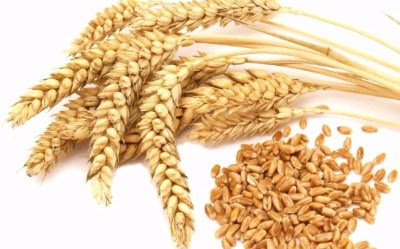
Could wheat be contributing to chronic health conditions?

Could wheat be contributing to chronic health conditions even if you are not a coeliac?

Scientists have discovered that a different family of proteins in wheat than gluten, called amylase-trypsin inhibitors (ATIs), can lead to the development of inflammation in tissue beyond the gut and could be negatively affecting those with asthma, fatty liver, rheumatoid arthritis and other conditions.
Read the article published by medical express here.
Cancer, Obesity

Obesity and Cancer

Strong Evidence for 11 Cancers and Obesity

An extremely comprehensive research article has been published in the British Medical Journal  with strong evidence for particular cancers and being obese.

An increase in body mass index (BMI) was associated with a higher risk of developing:

  • oesophageal adenocarcinoma;
  • colon and rectal cancer in men;
  • biliary tract system and pancreatic cancer;
  • endometrial cancer in premenopausal women;
  • kidney cancer; and multiple myeloma.
Weight gain and waist to hip circumference ratio were associated with:
  • higher risks of postmenopausal breast cancer in women who have never used hormone replacement therapy and endometrial cancer, respectively.
The risk of postmenopausal breast cancer among women who have never used HRT increased by 11% for each 5 kg of weight gain in adulthood, and the risk of endometrial cancer increased by 21% for each 0.1 increase in waist to hip ratio.

Five additional associations were supported by strong evidence when categorical measures of adiposity were included: weight gain with colorectal cancer; body mass index with gallbladder, gastric cardia, and ovarian cancer; and multiple myeloma mortality.