
Blog

Uncategorized

Is It a Cold, Flu or COVID? How to Tell the Difference This Winter

Know what you’re dealing with and how to support your body naturally

During winter, many of us experience sniffles, fatigue, or a lingering cough. But how do you know whether it’s just a common cold, something stronger like the flu, or a case of COVID-19?

All three are respiratory infections, but they differ in severity, onset, and symptoms. Understanding the difference helps you respond appropriately and support your recovery using safe, effective natural approaches.

Common Cold

The cold is usually mild and more annoying than dangerous.

Key symptoms:

  • Runny or blocked nose
  • Sneezing
  • Sore throat
  • Mild cough or fatigue

Less likely: Fever, body aches
Onset: Gradual (1–3 days)
Duration: 5–10 days

Influenza (Flu)

Flu hits fast and hard.

Key symptoms:

  • High fever
  • Body aches
  • Chills and exhaustion
  • Dry cough, headache

Less likely: Runny nose
Onset: Sudden (within 24 hours)
Duration: 7–14 days

COVID-19 (Current Strains)

COVID symptoms can overlap with both cold and flu, but often include broader systemic effects.

Key symptoms:

  • Dry cough
  • Fatigue
  • Sore throat, headache
  • Runny nose, fever
  • Sometimes: brain fog, nausea, digestive issues
  • Loss of smell/taste (less common now)

Onset: Gradual or sudden
Duration: 5–10 days (longer if post-viral fatigue develops)

Suggested Vitamins, Minerals, Herbs and Medicinal Mushrooms to Help

SupplementBenefitsSuggested Use
Vitamin CAntioxidant, supports white blood cells1000–3000 mg daily in divided doses
ZincAntiviral, tissue repair, mucosal defence15–30 mg daily (short-term)
Vitamin D3Immune regulation, antiviral defence2000–5000 IU (check levels first)
QuercetinAntihistamine, antioxidant, antiviral250–500 mg twice daily
NAC (N-Acetylcysteine)Thins mucous, raises glutathione (antioxidant)600–1200 mg daily
ElderberryAntiviral (especially for flu)5–10 mL syrup or 300–500 mg extract daily
ProbioticsGut-immune axis supportHigh-quality, multi-strain formula
Mushroom extracts (Reishi, Shiitake, Maitake)Immune modulation, anti-inflammatory1–2 g daily or as tincture/capsules
Adaptogens (Astragalus, Rhodiola)Stress resilience, post-viral recoveryUse especially in fatigue/post-viral phase

Our favourite supplements are Eagle Clinical Zinc-C powder as it also contains quercetin and Vitamin A as well as Orthoplex ImmunoForte as it contains elderberry and echinacea as well as Orthoplex Mushroom Matrix capsules.

Immune-Supportive Foods

Food TypeWhy It HelpsExamples
Soups & BrothsEasy to digest, hydrating, mineral-richVegetable broth, garlic soup
Herbal TeasAntiviral, warming, decongestantGinger, thyme, echinacea, licorice root
Antiviral FoodsSupport innate immunity and viral defenceGarlic, onions, turmeric, mushrooms
Fruits & BerriesRich in vitamin C and antioxidantsBlueberries, kiwi, citrus, pomegranate
Fermented FoodsGut microbiome supportSauerkraut, coconut kefir, miso
Warming SpicesCirculatory support and mucous thinningCinnamon, ginger, cayenne, clove
HydrationThins mucous and aids detoxificationWater, warm lemon water, coconut water

Lifestyle & Home Remedies

PracticeBenefit
Rest & SleepCrucial for immune recovery
Steam inhalationEases congestion, supports respiratory clearance
Lymphatic Self MassageLymphatic movement and detoxification
Castor oil packs (chest/abdomen)Reduces inflammation, supports detox
Gentle movement (yoga, walking)Enhances lymphatic and circulatory flow
Nasal rinses (e.g. saline or neti pot)Clears sinuses, reduces viral load
Sunlight exposureSupports vitamin D production and mood
Breathwork or box breathingEnhances lung capacity, calms nervous system

Need Extra Support?

If you’re feeling run down, not bouncing back from illness, or want a more personalised plan to support your immune system this winter, I’m here to help.

Book a consultation with Naturopath Lisa to get tailored advice on natural immune support, post-viral recovery, and your overall wellness strategy.

Let’s get your health back on track – naturally.

Womens Health

G-BOMBS

When it comes to supporting breast health and reducing cancer risk, food is a powerful tool—and GBOMBS offer one of the most evidence-based approaches. GBOMBS stands for Greens, Beans, Onions, Mushrooms, Berries, and Seeds—a group of nutrient-dense plant foods rich in anti-cancer compounds, antioxidants, and immune-supporting phytochemicals. Whether you’re focused on prevention, hormone balance, or general vitality, these foods form the foundation of a protective, healing diet.

These foods not only help lower inflammation and support healthy detoxification, but they also contribute to sustainable weight management and immune resilience, two crucial factors in hormone-driven cancers like breast cancer.

Greens 🥦

Greens like kale, broccoli, rocket, cabbage and brussel sprouts are packed with sulforaphane and other phytonutrients that support liver detoxification of oestrogen and reduce cancer cell growth. They’re also rich in chlorophyll, which helps bind toxins and alkalise the body. These greens help promote detoxification of oestrogen, Inhibit cancer cell growth and protect DNA from damage.

Beans 🫘

Beans are incredibly rich in soluble fibre and resistant starch, which support gut health and oestrogen clearance via bowel elimination. They help stabilise blood sugar, promote satiety, and feed beneficial gut bacteria – creating a microbiome environment that helps neutralise toxins and estrogens. Studies also link bean consumption with reduced risk of digestive and hormone-sensitive cancers.

Onions 🧅

The allium family (onions, garlic, leeks, scallions, and shallots) contains organosulfur compounds that are released when chopped or crushed. These compounds reduce inflammation, slow tumour growth and promote apoptosis (cancer cell death). They also provide flavonoids like quercetin, which enhance immune activity and protect cellular integrity.

Mushrooms 🍄

All mushrooms, especially shiitake, maitake, and reishi, have potent anti-cancer properties. They stimulate the immune system, reduce angiogenesis (blood vessel formation that feeds tumors) and contain natural aromatase inhibitors, which help block the enzyme that converts other hormones into oestrogen – important for reducing oestrogen-driven tumour growth.

Berries 🍓

Berries (especially blueberries, raspberries, and blackberries) contain high levels of ellagic acid and anthocyanins -potent antioxidants that protect cells from DNA damage, neutralise free radicals, reduce inflammation, and support lymphatic drainage. Berries also support cardiovascular and cognitive health, which are critical for overall resilience during aging.

Seeds 🌱

Flaxseeds, chia, pumpkin, and sunflower seeds provide lignans, zinc, magnesium, and essential fatty acids. Lignans are phytoestrogens that help modulate oestrogen activity meaning they have a mild, balancing effect on oestrogen levels. They can bind to oestrogen receptors, helping to either weaken the effect of excess estrogen or gently support low levels, making them beneficial for hormone regulation and breast health. Healthy fats support hormonal balance and reduce inflammation.

These foods don’t just nourish your body – they actively assist in clearing excess oestrogen, support immune defences, and may prevent abnormal cell growth. By incorporating GBOMBS daily, you’re giving your body key tools for long-term breast health and hormonal harmony.

Try adding a mix of GBOMBS to your meals each day:

  • Roasted veg with garlic and pumpkin seeds
  • Smoothie with greens, flaxseed, and berries
  • Lentil, cauliflower and mushroom soup
  • Flax & Sunflower Seed Crackers with Mushroom Pâté – serve seed crackers with a homemade mushroom pâté (sautéed mushrooms, onion, garlic, and walnuts blended). Add sliced cucumber or radish for crunch.
  • Miso Mushroom Soup with Greens – Miso paste with garlic, ginger, and spring onions. Add sliced mushrooms (shiitake or oyster), bok choy, kale.
  • Asian-Inspired GBOMBS Slaw – Base: Shredded red cabbage + bok choy. Add-ins: Edamame, spring onion, shredded carrots, sautéed mushrooms. Crunch: Sesame seeds, almonds. Dressing: Tamari, rice vinegar, ginger, garlic.
  • Mediterranean GBOMBS Power Salad – Base: Baby spinach, chopped kale, rocket and romaine lettuce. Add-ins: Chickpeas, cherry tomatoes, red onion, cucumber, black olives. Toppings: Pumpkin seeds, hemp seeds. Dressing: Lemon, garlic, tahini, and oregano.

A note on prostate health:
While GBOMBS are well known for supporting breast health, they also offer powerful benefits for prostate health. Cruciferous greens like broccoli and kale contain sulforaphane, which has been shown to inhibit the growth of prostate cancer cells. Mushrooms, especially shiitake and reishi, may help modulate immune function and reduce inflammation linked to prostate enlargement. Flaxseeds and pumpkin seeds are rich in lignans and zinc, both important for healthy testosterone metabolism. Together, these nutrient-dense foods support hormone balance, cellular protection, and detoxification—making them equally valuable for men looking to reduce prostate cancer risk.

[lc_form id=’SrA9nM8EY1hb809AVrBU’ title=’GBOMBS Shopping List’ ]

Uncategorized

MAKE YOUR OWN POWERFUL ANTIBIOTIC TONIC


Stay warm and well this winter with this soothing immune-boosting tonic made from everyday kitchen herbs and spices. It’s anti-inflammatory, warming, and ideal for supporting your body’s natural defences through the colder months.

This simple recipe draws on the traditional benefits of naturopathic ingredients that have long been used for their immune-supporting and antimicrobial properties.

Key benefits include:

  • Increases circulation and internal warmth
  • Reduces inflammation
  • Supports immune system activity
  • Helps relieve congestion
  • Soothes the throat and digestive tract

Recipe

You’ll need a large glass jar with a lid

Ingredients
½ cup fresh thyme, chopped
½ cup fresh oregano, chopped
½ cup fresh rosemary, chopped
½ cup fresh ginger, chopped
½ cup garlic cloves, chopped
Pinch lemon rind
Apple cider vinegar

Method
1. Let the garlic sit, once chopped, for about 10 minutes to release more allicin, the compound responsible for its antibacterial properties.
2. After 10 minutes, add all of the herbs to a glass jar and fill with apple cider vinegar.
3. Seal with a lid, gently shake the contents, then place the jar in a cool, dark place, like a cupboard.
4. Shake once every day for 6 weeks, then use a strainer to strain the tincture into a glass dropper bottle.
5. Take one dropper full three times a day in a glass of water

Need more help with your immune system? Book a consultation with Naturopath Lisa. Telehealth also available.

Anti-Inflammatory, Detox, Lymphatic Health, Lymphatic Health, Recipes

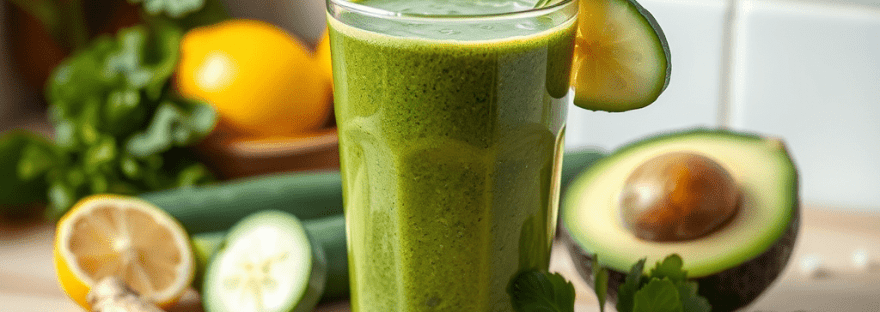
Lymphatic Detox Smoothie

Serves: 1 | Prep time: 5 minutes

Ingredients

  • 250 mL unsweetened coconut water or filtered water (use water only if you are trying to reduce calories)
  • 50 g cucumber, roughly chopped
  • 1 stalk celery, roughly chopped
  • 30 g leafy greens of your choice (e.g. spinach, kale, or silverbeet), lightly packed
  • 1 tablespoon (≈5 g) fresh coriander leaves, chopped
  • 1 tablespoon (≈15 g) chia seeds
  • Juice and zest of ½ lemon
  • ½ teaspoon freshly grated ginger
  • ¼ avocado, peeled and pitted
  • 1 teaspoon (≈3 g) chlorella powder

Instructions

  1. Place all ingredients into a high-speed blender.
  2. Blend on high until completely smooth, adding a splash more water if needed.
  3. Pour straight into a glass and enjoy immediately for maximum nutrient benefit.


Key Benefits:

  • Hydration & electrolytes from coconut water, cucumber and celery keep lymph fluid moving.
  • Chlorella binds heavy metals and supports natural detox pathways.
  • Chia seeds provide fibre to help escort toxins out via the gut.
  • Lemon and ginger stimulate circulation and gentle detoxification.
  • Healthy fats from avocado aid absorption of fat-soluble nutrients and stabilise blood sugar.


⚠️ Detox Warning: Because this smoothie is designed to stimulate your body’s natural detox processes, you may experience mild, temporary symptoms such as a headache, slight nausea, or increased urination. If symptoms become uncomfortable, reduce frequency or volume, ensure you’re well-hydrated, and consult your healthcare practitioner if needed.

Want to know more about lymphatic health?

Read more in our blog HERE.

Want to really help your lymphatics? Then these gloves are a must!

[lc_form id=’tp4cCuiJv1BegquyqrJI’ title=’Newsletter Sign Up Glow’ ]

Detox, Lymphatic Health, Parkinson's, Toxicity, Womens Health

Unlocking the Power of Your Lymphatic System: Why Lymphatic Health Matters

As a naturopath, one of the most overlooked areas for total health is the lymphatic system—a vital network that plays a central role in detoxification, immune function, and inflammation control.


What Is the Lymphatic System?

The lymphatic system is a complex network of lymph vessels, nodes, and organs (like the spleen, tonsils, and thymus) that act as the body’s waste disposal and immune surveillance system. It helps remove toxins, cellular debris, metabolic waste, and pathogens—keeping your internal environment clean and balanced.

Unlike the cardiovascular system, which has the heart to pump blood, the lymphatic system relies on movement, breath, hydration, and manual stimulation to circulate lymph fluid. That means when lifestyle or health issues slow this system down, toxins accumulate and inflammation rises.


The Benefits of a Healthy Lymphatic System

Keeping your lymphatic system flowing optimally supports nearly every other system in your body. Benefits include:

Improved Immunity
Lymph nodes filter pathogens, while lymphatic vessels transport white blood cells to fight infections efficiently.

Efficient Detoxification
Good lymphatic flow helps clear environmental toxins, metabolic waste, heavy metals, and excess hormones—lightening the load on your liver and kidneys.

Inflammation Control
Lymphatic drainage reduces tissue swelling and helps resolve inflammation, supporting conditions like arthritis, allergies, and chronic pain.

Clearer Skin and Reduced Puffiness
Lymph congestion can show up as acne, eczema, cellulite, or facial puffiness—especially under the eyes or around the jawline.

Increased Mental Clarity and Energy
When toxins are cleared efficiently and the immune system is calm, mental fog lifts and fatigue reduces.

Hormonal Balance
The lymphatic system helps metabolize and excrete excess hormones, especially estrogen, which can support relief from PMS, fibroids, and hormonal acne.


The Deeper Impact: Autoimmune and Neurodegenerative Links

Emerging research and clinical insights have shown that poor lymphatic function may contribute to chronic inflammation, a known driver of autoimmune disorders such as:

  • Rheumatoid arthritis
  • Hashimoto’s thyroiditis
  • Lupus
  • Multiple sclerosis
  • Psoriasis

When lymph flow is stagnant, immune signaling becomes distorted. This can increase the risk of the immune system attacking the body’s own tissues—a hallmark of autoimmune disease. Supporting lymphatic flow may help regulate immune function and reduce inflammatory flare-ups.

There’s also growing awareness of the link between impaired lymphatic drainage and neurodegenerative diseases such as:

  • Alzheimer’s disease
  • Parkinson’s disease
  • Multiple sclerosis (MS)
  • Chronic fatigue syndrome
  • Cognitive decline and brain fog

The brain relies on its own unique lymphatic-like system, called the glymphatic system, to clear metabolic waste and neurotoxins. This system is most active during deep sleep. When the glymphatic system is sluggish—often due to dehydration, poor sleep, stress, or systemic congestion—neurotoxic buildup can occur, contributing to memory issues, brain fog, and cognitive decline.


What Happens When the Lymphatic System Is Sluggish?

Signs of poor lymphatic drainage can include:

  • Chronic fatigue or low energy
  • Brain fog or poor memory
  • Recurring infections or slow recovery
  • Swelling in the hands, feet, or face
  • Digestive sluggishness
  • Skin conditions such as eczema or acne
  • Muscle aches, joint pain, or stiffness
  • Headaches, particularly around the eyes or base of the skull

These may be early warning signs that your lymphatic system is struggling to eliminate waste, leading to increased inflammation and immune dysregulation.


How to Support Your Lymphatic System Naturally

Fortunately, you can support your lymphatic health with simple daily habits:

  • We love Chelsey Jean’s lymphatic massage gloves the best! You can also purchase via our online store HERE
  • Dry skin brushing and lymphatic massage
  • Gentle movement such as walking, yoga, swimming, or rebounding on a mini trampoline
  • Adequate hydration—aim for 2 to 3 litres of water per day
  • Deep diaphragmatic breathing to stimulate lymph flow through the thoracic duct
  • A whole-food, anti-inflammatory diet
  • Herbal and nutritional support as guided by Naturopath Lisa in an appointment for your individual circumstances
  • Castor oil packs over the abdomen or liver area to gently stimulate detox


Want to know more?

The lymphatic system is central to your body’s ability to detoxify, heal, and defend against disease. Whether you’re managing chronic inflammation, autoimmune symptoms, fatigue, or simply want to feel lighter and more vibrant, supporting your lymphatic flow can make a remarkable difference.

Book a lymphatic treatment at our clinic !

Naturopath Lisa now offers complete Lymphatic Health Sessions explaining lymphatic health in your particular circumstances, what you can do to help, diet and recipes, suggested supplements and demonstrating lymphatic drainage for your body and face for you to do at home. Optional choice to also purchase the Chelsey Jean massage gloves and lymphatic creams at the end of the session for home use.

BOOK NOW

Toxicity

EMFs and Your Health

  1. Understanding Electromagnetic Fields (EMFs)
  2. What is Natural Background?
  3. Natural Background vs. Typical EMF Levels in the Home
  4. Why Should We Care About The Profound Increase In EMFs ?
  5. Steps to Reduce EMF Exposure
  6. EMF ASSESSMENT IN YOUR HOME

Understanding Electromagnetic Fields (EMFs)

Electromagnetic fields (EMFs) are invisible waves of energy produced by electricity, wireless devices, and digital technologies. While some EMFs are naturally occurring (like the Earth’s magnetic field), most of what we encounter today is artificial and has increased exponentially in just the last century. These modern exposures come from sources like mobile phones, Wi-Fi routers, Bluetooth devices, smart meters, power lines, and more.

What is Natural Background?

Natural background EMFs refer to the extremely low levels of electromagnetic radiation that exist in nature and that life on Earth evolved with. These signals come from sources like the Earth’s magnetic field, solar activity, and the Schumann Resonance—a natural frequency that pulses between the Earth’s surface and the ionosphere. The ionosphere is a layer of the upper atmosphere filled with charged particles that interact with solar energy and help transmit natural electromagnetic signals back to Earth. These signals are stable, predictable, and incredibly subtle.

They are so fundamental to life that they act like nature’s “operating instructions.” The human body—especially the brain, heart, and nervous system—uses these electromagnetic cues to regulate key functions like:

  • Sleep and wake cycles – Natural EMFs help set our circadian rhythm, which controls when we feel awake or sleepy.
  • Brainwave rhythms – Brain activity runs on electrical patterns that align with Earth’s frequencies, supporting focus and relaxation.
  • Hormone release (e.g. melatonin, cortisol) – Hormones are released based on time cues from environmental EMFs, impacting energy, mood, and repair.
  • Immune activity – The immune system is influenced by electromagnetic signals that help it stay regulated and responsive.
  • Mood and mental clarity – Balanced brainwaves and hormones, both regulated by natural EMFs, affect how we think and feel.
  • Cell-to-cell communication – Cells use tiny electrical charges to talk to each other, which depend on the body being in sync with natural EMFs.

An everyday example of how this works: The gravitational pull of the moon regulates the tides in the ocean—huge masses of water that rise and fall in a predictable rhythm. Just as the moon influences the ocean, Earth’s electromagnetic rhythms affect the “tides” of our biology—subtle shifts in brainwaves, hormone release, and even gene expression.

These cues are incredibly faint, but the body is exquisitely sensitive to them. Unfortunately, the artificial EMFs from modern devices are not only vastly stronger—they are chaotic, pulsed, and often completely out of sync with these natural signals. This mismatch can disrupt the body’s internal timing and cause stress at the cellular level.

Natural Background vs. Typical EMF Levels in the Home

To appreciate the difference between healthy and harmful exposure levels, we need to compare natural background levels to those found in modern homes.


Type of EMF
Natural BackgroundModern Home (Typical)Building Biology Safe Limit (Bedroom)Increase
Radio Frequency (RF) (Wi-Fi, cell towers, Bluetooth)<0.00002 V/m0.434 V/m (10 million µW/m²)<5 µW/m²2,170,000% higher
Electric Fields (EF) (wiring, plugged-in devices)0.0001 V/mUp to 10 V/m<0.3 V/m10,000,000% higher
Magnetic Fields (MF) (appliances, power lines)0.000002 mG<2 mG<0.2 mG100,000,000% higher

Why Should We Care About The Profound Increase In EMFs ?

EMFs are not inert. They are biologically active and can trigger significant physiological changes—even at levels far below current safety guidelines. Research* shows:

  1. Disruption of Voltage-Gated Calcium Channels (VGCCs): EMFs activate VGCCs—tiny gateways in your cells that regulate calcium flow. When these channels open uncontrollably, they cause a calcium overload inside the cell. This leads to inflammation, oxidative stress, mitochondrial dysfunction, and DNA damage. This mechanism is believed to underlie symptoms like fatigue, tinnitus, insomnia, anxiety, and even cardiac arrhythmias.
  2. DNA Damage: Multiple studies have shown that EMFs can induce both single- and double-strand breaks in DNA. These breaks increase the risk of mutations and are strongly associated with infertility, neurodegeneration, and cancer development.
  3. Melatonin Suppression and Circadian Rhythm Disruption: Melatonin, a hormone essential for sleep and cellular repair, is suppressed by EMFs—especially blue light from screens and wireless radiation. Reduced melatonin levels are linked to insomnia, immune dysregulation, and elevated cancer risk.
  4. Breakdown of the Blood-Brain Barrier (BBB): EMF exposure can make the BBB more permeable, allowing toxins and inflammatory molecules to enter the brain. This contributes to brain fog, cognitive decline, and mood disturbances.
  5. Oxidative Stress and Inflammation: EMFs stimulate excessive production of reactive oxygen species (ROS), which damage cell membranes, proteins, and DNA. This oxidative stress contributes to chronic inflammation and is a known factor in the progression of nearly all chronic diseases.
  6. Reproductive and Hormonal Effects: The testes and ovaries have a high density of VGCCs, making them especially vulnerable. EMF exposure has been linked to decreased sperm motility, increased sperm DNA fragmentation, altered hormone levels, and potential risks to fetal development during pregnancy.
  7. Neurodevelopment and Mental Health: There is growing concern about EMFs affecting children’s developing nervous systems. The bodies of children absorb twice the amount compared to adults. EMFs have been found to directly impact neuronal formation in the brain. Studies suggest increased risk for behavioral issues, attention difficulties, anxiety, and depression with early and ongoing EMF exposure.

*See scientific references below.

Steps to Reduce EMF Exposure

Safer Mobile Phone Use:

  • Use speakerphone or air-tube headsets.
  • Avoid wireless earbuds and Bluetooth devices.
  • Keep your phone in airplane mode when near your body.
  • Avoid phone use with weak signal. It emits up to 10,000 times more radiation when using with a weak signal. Don’t use whilst driving either.
  • Set email to manual fetch so your phone is not frequently downloading and emitting/receiving radiation.
  • Keep phone at least one foot from your body when in use.

Safer Wireless Use at Home:

  • Turn off routers when not in use, especially overnight.
  • Turn off at the wall to ensure full shutdown.
  • Never place routers in bedrooms or next to beds and desks.
  • Avoid Wi-Fi extenders and boosters near living/sleeping areas.
  • Use Ethernet (hardwired) connections wherever possible.
  • Keep smart meters and base stations away from bedrooms and common areas.
  • Consider shielding or relocating smart meters.

Bedroom EMF Hygiene:

  • Remove all smart and wireless devices from sleeping areas.
  • Unplug electronics (lamps, chargers, electric blankets) at night.
  • Avoid electric blankets.
  • Do not use Bluetooth devices or CPAP machines with wireless functions.
  • Do not sleep near waterbeds, radiant floor heating, or portable heaters.

Laptop and Appliance Tips:

  • Never use laptops on your lap; place them on a desk. For instance men who use a laptop on their laps see sperm motility decrease by 25%.
  • Use ethernet cables instead of Wi-Fi.
  • Avoid sitting, standing or sleeping near appliances. Watchout for smart TVs, wireless speakers, dimmable lights, and -in the kitchen -avoid spending time near the microwave oven, high-speed blenders or mixers, the dishwasher or toaster, and especially an induction oven.

EMF ASSESSMENT IN YOUR HOME

A building biologist can assess the home and workplace, and make recommendations to eliminate or ameliorate EMF exposure. This will reduce mast cell activation and nervous system interference (VGCCs).

To book an EMF testing technician in Australia visit this site https://www.asbb.org.au/emf-testing-technicians

Electromagnetic pollution is an unavoidable reality of modern life. But with awareness and simple lifestyle changes, we can reduce our exposure and support our bodies against its biological impact. If you’re experiencing fatigue, insomnia, anxiety, or unexplained symptoms, consider evaluating EMF exposure as a potential contributor.

[lc_form id=’qgQlF5P5wWSFjlGRzTeR’ title=’Low Tox Living Guide’ ]

Scientific References

  • Sage C. The implications of non-linear biological oscillations on human electrophysiology for electrohypersensitivity (EHS) and multiple chemical sensitivity (MCS). Reviews on Environmental Health 2015, Vol. 30 (Issue 4), pp. 293-303.
  • Bevington M. Electromagnetic Sensitivity and Electromagnetic Hypersensitivity: (Also Known As Asthenic Syndrome, EMF Intolerance Syndrome, Idiopathic Environmental Intolerance – EMF, Microwave Syndrome, Radio Wave Sickness): A Summary. 2013.
  • Pall ML. Electromagnetic fields act via activation of voltage-gated calcium channels to produce beneficial or adverse effects. J Cell Mol Med 2013;17(8):958-65.
  • Lowenthal RM, Tuck DM, Bray IC. Residential exposure to electric power transmission lines and risk of lymphoproliferative and myeloproliferative disorders: a case-control study. Intern Med J. 2007;37(9):614-9.
  • Baldi I, Coureau G, Jaffré A, et al. Occupational and residential exposure to electromagnetic fields and risk of brain tumors in adults: a case-control study in Gironde, France. Int J Cancer. 2011;129(6):1477-84.
  • Huss A, Spoerri A, Egger M, et al. Swiss National Cohort Study. Residence near power lines and mortality from neurodegenerative diseases: longitudinal study of the Swiss population. Am J Epidemiol. 2009;169(2):167-75.
  • Zhao L, Liu X, Wang C, et al. Magnetic fields exposure and childhood leukemia risk: a meta-analysis based on 11,699 cases and 13,194 controls. Leuk Res. 2014;38(3):269-74.
  • Hillman D, Stetzer D, Graham M, et al. Relationship of electric power quality to milk production of dairy herds – field study with literature review. Sci Total Environ. 2013;447:500-14.
  • Milham S. Dirty Electricity: Electrification and the Diseases of Civilization. 2012 iUniverse.
  • Bijlsma, Nicole (building biologist). 2010, Healthy home, healthy family : is where you live affecting your health?
  • Belpomme D, Campagnac C, Irigaray P. Reliable disease biomarkers characterizing and identifying electrohypersensitivity and multiple chemical sensitivity as two etiopathogenic aspects of a unique pathological disorder. Rev Environ Health. 2015;30(4):251-71.
  • Irigaray P, Caccamo D, Belpomme D. Oxidative stress in electrohypersensitivity self-reporting patients: Results of a prospective in vivo investigation with comprehensive molecular analysis. Int J Mol Med. 2018;42(4):1885-1898.
  • Heuser G, Heuser SA. Functional brain MRI in patients complaining of electrohypersensitivity after long term exposure to electromagnetic fields. Rev Environ Health. 2017;32(3):291-299.

chelsey jean lymphatic gloves
Detox, Lymphatic Health, Womens Health

💧 Reclaim Your Vitality: The Importance of Lymphatic Health

What few of us realise is that our body has its own hidden transport and septic system—the lymphatic system—that works 24/7, removing damaging toxins so you can rise and shine to make every day your best.

This intricate system is like your body’s internal clean-up crew. It helps drain excess fluid, filter out waste, and protect you from illness. But when it’s sluggish or overloaded, the results show up fast: swelling, fatigue, brain fog, poor skin, and frequent infections.


🚨 What Happens When the Lymph System Is Neglected?

Treating your body like an unserviced garbage disposal unit is eventually going to have negative consequences. Your health will begin to stagnate and fester, and you may end up with nasty inflammatory diseases that cause long-lasting damage—inside and out.

A congested lymph system may lead to:

  • Swelling and fluid retention
  • Chronic inflammation
  • Skin issues like breakouts or dullness
  • Poor immunity
  • Increased toxic load


🧴 Lymphatic Self-Massage Method

Naturopath Chelsey Jean has created a simple but powerful way to reboot your lymphatic system at home. Her 2-minute lymphatic self-massage sequence uses specially designed Dual-Action Lymphatic Gloves and a lightweight Lymphatic Massage Cream.

This method:

  • Activates lymph flow
  • Stimulates circulation
  • Supports detox and skin renewal
  • Feels energising and calming at the same time

Perfect for busy people, chronic illness recovery, or anyone looking to take charge of their health naturally.


🌿 Benefits of Supporting Your Lymphatic System

  • 💧 Reduces bloating, swelling & puffiness
  • 🔄 Enhances detoxification pathways
  • 🧠 Improves mental clarity and energy
  • 🛡️ Strengthens the immune system
  • ✨ Revitalises skin tone and texture
  • 😌 Encourages relaxation and nervous system calm


🛍️ Start Your Lymphatic Self-Care Today

Ready to feel lighter, clearer, and more vibrant?
You can start Chelsey Jean’s at-home lymphatic support routine today with her best-selling tools:

  • 🧤 Lymphatic Massage Gloves – unique textured gloves on one side and magnetic roller balls on the other side to then go deeper to stimulate lymphatic movement
  • 💆‍♀️ Lymphatic Massage Cream – lightweight, non-toxic cream designed to nourish while enhancing circulation
  • 🧰 Complete Lymphatics Kit – everything you need to get started, all in one bundle

🛒 Click here to shop and support your lymphatic health now


✨ Final Thought

Your lymphatic system is working around the clock to protect and heal you. All it needs is your support. With simple daily practices and the right tools, you can reboot your body’s natural detox pathways, boost energy, and feel like your vibrant self again—naturally.

💛 Need Personalised Support for Your Lymphatic Health?

If you’re feeling stuck, sluggish, or unsure where to start, you don’t have to go it alone. Naturopath Lisa offers one-on-one consultations to help you review your diet, lifestyle, herbs, and nutrients—all tailored to support your lymphatic system, detox pathways, and overall wellbeing.

🌿 Whether you’re managing chronic illness, inflammation, or just want to feel more energised and vibrant, Lisa can help guide you with a plan that works for your body.

👉 Book your appointment with Lisa here and start feeling lighter, clearer, and more supported—naturally.

Anti-Inflammatory, Parkinson's, Parkinsons, Recipes, vegan

High-Fibre Quinoa Bowl to Support Brain Health

A delicious anti-inflammatory, high-fibre recipe designed to support Parkinson’s healing. Packed with turmeric, ginger, fibre-rich legumes, leafy greens, and omega-3s to nourish the brain and body.

Ingredients (Serves 2–3):

Main Bowl:

  • 1/2 cup quinoa, rinsed
  • 1/2 cup red lentils, rinsed
  • 3 cups low-sodium vegetable broth
  • 2 cups chopped kale or baby spinach
  • 1 small zucchini, diced
  • 1/2 cup grated or thinly sliced carrot
  • 2 cloves garlic, minced
  • 1 tbsp fresh ginger, grated
  • 1 tsp turmeric powder (or fresh turmeric, grated)
  • 1 tbsp ground flaxseed
  • 1 tbsp olive oil or flaxseed oil (cold-pressed, added at the end)
  • Juice of 1/2 lemon
  • Sea salt and black pepper to taste

Optional Toppings:

  • Hemp seeds or pumpkin seeds
  • Unsweetened coconut yogurt
  • Fresh herbs (parsley, coriander)

Instructions:

  1. In a medium saucepan, combine rinsed quinoa, lentils, and vegetable broth. Bring to a boil, then reduce heat and simmer for 15–20 minutes, or until quinoa and lentils are soft and broth is mostly absorbed.
  2. Add garlic, ginger, turmeric, carrot, and zucchini. Stir and cook for another 5 minutes.
  3. Add kale or spinach and cook for an additional 1–2 minutes until wilted.
  4. Remove from heat. Stir in lemon juice, ground flaxseed, and olive or flaxseed oil.
  5. Season with salt and pepper to taste.
  6. Serve in bowls and top with your choice of hemp seeds, herbs, or coconut yogurt.

Tips:

  • For extra creaminess and calcium, stir in 1 tbsp of tahini before serving.
  • This dish pairs beautifully with calming herbal teas for an evening meal such as chamomile, lemon balm, or passionflower in the evening to support nervous system calm and better sleep.

Parkinson's

Natural Ways to Enhance Sleep Quality in Parkinson’s

Sleep disturbances are very common in Parkinson’s. They affect up to 80% of individuals. There are many natural, lifestyle, and supplement approaches that can help improve both sleep quality and duration.


🧠 Why Sleep Is Challenging in Parkinson’s

Parkinson’s affects both the brain and nervous system, which can disrupt:

  • The circadian rhythm (your internal clock)
  • Melatonin production
  • Muscle control (leading to stiffness or tremors during the night)
  • Bladder function (causing nighttime urination)
  • REM sleep (due to REM Sleep Behavior Disorder)


🌙 Ways People with Parkinson’s Can Improve Sleep

Here are some targeted strategies:

1. Support the Circadian Rhythm

  • Get morning sunlight within 30–60 minutes of waking. If you can, also in the afternoon before sunset. On bright cloudless days, view morning and afternoon sun for 10 minutes. On cloudy days, aim for 20 minutes. On very overcast days, spend 30-60 minutes. The retina of your eyes sends the correct signals to the brain that its daytime and you need to be awake.
  • Keep a consistent sleep-wake schedule even on the weekends. Sleeping in late can jetlag and confuse your body clock.
  • Wake up at the same time every day. Go to bed as soon as you begin to feel naturally sleepy. Ignoring that initial drowsy window and staying up too late can disrupt your sleep cycle. This is a common reason why some people wake around 3 a.m. and struggle to fall back asleep.
  • Dim lights and reduce screen time 1–2 hours before bed. No bright lights after 10pm at the latest! Bright artificial light in the evening will tell your brain its daytime. Screens, especially blue light, suppresses melatonin. Use only as much artificial light at night as you need to move around safely. While blue-light-blocking glasses can offer some protection, it’s still best to keep lighting low and soft. Bright lights—regardless of color—can disrupt your body’s natural sleep-wake rhythm.
  • Consider a comfortable sleep mask to block out any artificial light coming from under doors, windows, clocks etc. You need to sleep in pitch black. Also consider black out curtains in your bedroom.
  • Dont eat at least 3 hours before bed, 4 if you can. Eating late closer to bedtime can disrupt the release of certain hormones. These include HGH (human growth hormone) and melatonin. They are essential for a good night’s sleep.

2. Balance Dopamine

  • Stress reduces dopamine and increases cortisol, which can disrupt sleep. Try deep breathing or vagus nerve exercises, gentle stretching or restorative yoga, journaling, guided meditation or limbic system retraining.
  • Spend time doing things that bring you joy or help you unwind—these activities may naturally boost dopamine levels. This could be anything from gentle exercise, meditation, yoga, or a soothing massage. You might also enjoy a head massage from your partner or do it yourself. Other options include laughing, cuddling a pet, taking a walk in nature, or getting lost in a good book. Prioritising pleasure and relaxation is not just comforting—it’s healing.
  • Eat a magnesium and tyrosine rich dinner, but not too late (no later than 3 hours before bed), to naturally support dopamine.
  • Ensure you have sufficient magnesium, B6 and iron levels. Book an appointment with Naturopath Lisa to discuss further.

3. Create a Sleep-Friendly Environment

  • Keep the room cool, dark, and quiet. Adjust the bedroom temperature to be cool enough to snuggle under the blankets. Make sure it’s not so cold that you’re uncomfortable however. The ideal room temperature for sleep is generally considered to be between 15.6-19°C / 60-67°F . This cooler temperature helps regulate your body’s natural cooling process. It aids in preparing for sleep. This promotes deeper and more restful sleep. 
  • Use a weighted blanket for comfort and nervous system calming (if tolerated)
  • Try white noise or calming sleep sounds

4. Movement and Exercise

  • Gentle movement (like walking or stretching) earlier in the day can improve nighttime sleep
  • Avoid intense exercise too close to bedtime

5. Natural Sleep Support

  • Magnesium glycinate, magnesium threonate, melatonin (low dose), L-theanine, glycine, herbs like passionflower, hops and lemon balm may help (always consult your doctor or naturopath, especially if you are taking medications, before starting any supplements. )
  • Avoid stimulants like caffeine and sugar in the after noon. And if you are on a natural healing path for PD you should not be consuming these at all!

6. For Bladder Issues Waking You

  • Stop drinking large amounts of fluid 3 hours before bed. Still hydrate well during the day—just taper off in the evening
  • Avoid bladder irritants like caffeine, alcohol, and carbonated drinks
  • Ensure you have adequate magnesium as low magnesium is linked with bladder spasms and poor muscle control. Supplementing with magnesium glycinate or citrate may help calm the bladder and nervous system (and also improve sleep!).
  • Make sure you are not constipated. Constipation puts pressure on the bladder and worsens urgency at night. Support regular bowel movements with good hydration, fibre (chia, flax, psyllium), magnesium, gentle movement.
  • Pelvic Floor Exercises. Simple, daily pelvic floor strengthening (like Kegels) can improve bladder control and reduce nighttime leaks or urgency. Consider seeing a physiotherapist who specialises in pelvic floor. There are also helpful YouTube videos showing you simple exercises to improve bladder health in PD. There are also physiotherapy tips on how to completely empty your bladder which may be useful before bed.
  • Calm your nervous system as being in “fight or flight” worsens bladder sensitivity. Practice limbic retraining.
  • Some people benefit from abdominal massage in the evening to stimulate bladder emptying before sleep.
  • There are numerous herbs that can help such as crataeva, horsetail, cornsilk and uva ursi however if you are on any medications please check with a naturopath first.


✅ Can Sleep Actually Improve Symptoms?

Yes! Better sleep can help:

  • Reduce daytime fatigue and brain fog
  • Lower inflammation and oxidative stress
  • Improve mood and mobility
  • Support the glymphatic system (your brain’s detox process)


✨ Final Thought:

Yes, sleep can improve with Parkinson’s—sometimes dramatically. It often requires a layered, personalized approach, but small steps like improving your sleep environment, supporting natural rhythms, and calming the nervous system can lead to deeper, more restorative rest.


💛 Need Personalised Support?

If you’re looking for natural ways to manage Parkinson’s symptoms, improve sleep, balance dopamine, and feel more like you again, you’re not alone.

🌿 Lisa is an experienced naturopath who specialises in holistic care for people with Parkinson’s. She offers personalised strategies that support your healing journey—gently, safely, and with compassion.

👉 Book a one-on-one appointment today to get tailored support, clarity, and a plan that works for you.

[Click here to book your session with Lisa]

Let’s walk this path together—naturally.

lymphatic drainage massage gloves used to support detoxification, improve circulation, and reduce inflammation in natural Parkinson’s healing routines
Lymphatic Health, Parkinson's

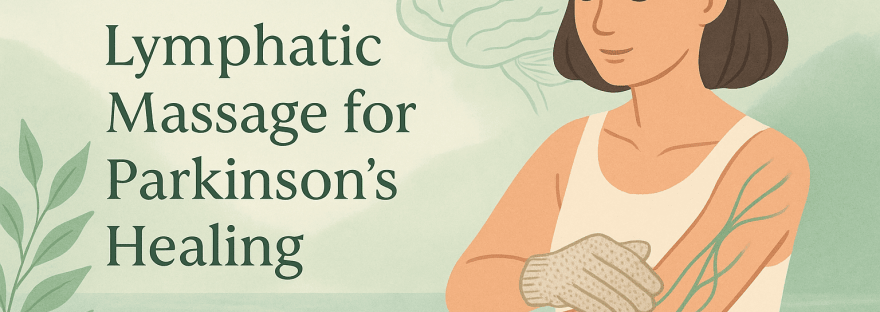
Why Lymphatic Health Matters in Parkinson’s—and How Massage Gloves Can Help

When managing Parkinson’s disease, most people focus on the brain—and rightly so. But healing requires more than dopamine support and medication. There’s a powerful, often overlooked system that plays a major role in your recovery: the lymphatic system.


Why the Lymphatic System Matters in Parkinson’s

Your lymphatic system is your body’s internal drainage network. It helps:

  • Remove toxins, inflammatory waste, and pathogens
  • Circulate immune cells to fight infection
  • Regulate fluid balance and reduce swelling
  • Support brain and nerve detoxification

For those with Parkinson’s—where inflammation, oxidative stress, and neurotoxins are already at play—supporting lymphatic flow is essential. A sluggish lymph system can worsen symptoms like fatigue, brain fog, stiffness, and poor detox tolerance.


Brain Detox: The Glymphatic System

Your brain has its own “lymphatic” system, called the glymphatic system, which:

  • Flushes out waste and damaged proteins
  • Activates during deep sleep
  • Helps clear inflammatory compounds from the brain

Poor sleep, chronic stress, and lymph stagnation can slow this process—contributing to neurodegeneration and worsening symptoms in Parkinson’s. Supporting lymph flow improves this brain-cleansing cycle.


Enter: Lymphatic Massage Gloves

One simple way to support your lymphatic system from home is by using lymphatic massage gloves. You can use gloves like the ones from Chelsey Jean.

✅ Benefits of Lymphatic Massage Gloves:

  • Boost lymphatic circulation
  • Reduce puffiness, inflammation, and fluid retention
  • Improve energy, detoxification, and immune function
  • Calm the nervous system and support parasympathetic healing
  • Can be used daily in just 2 minutes!


How to Use Lymphatic Gloves

  1. Start with dry skin, ideally in the morning using the spiky side not the roller ball side.
  2. Brush inhttps://player.vimeo.com/video/475399815?h=800702796d” target=”_blank” rel=”noreferrer noopener”> light, upward strokes toward your heart and lymph nodes (underarms, groin, behind knees, chest, neck)
  3. Use very gentle pressure, like feathered strokes —you’re stimulating the skin, not scrubbing
  4. Then use the magnetic ball side of the gloves in the shower, or after applying LymFATic Cream or MagFATics spray.
  5. Follow with good hydration and movement (like a short walk) to flush the system

Watch a video by Chelsey Jean on how to use her gloves HERE

🚨IMPORTANT NOTE WHEN STARTING OUT 🚨

  • When starting out only use the gloves once every 4 or 5 days.
  • Just start with the spiky side of the gloves ONLY for the first month not the magnetic roller ball side.
  • The more toxic you are, the more you will “detox.” You will feel the effects such as a runny nose, tiredness, headaches, and flu-like symptoms if you over do it.


Why Lymphatic Health Matters in Parkinson’s

People with Parkinson’s often have:

  • A sluggish detox system
  • Increased inflammation in the brain and body
  • Greater sensitivity to medications and supplements
  • Swelling or fluid retention in the limbs
  • Poor mitochondrial function and fatigue

Supporting lymphatic flow can help reduce this burden, improving how the brain and body function—especially when paired with hydration, rest, and gentle movement.


My Recommended Tool: Chelsey Jean’s Lymphatic Massage Gloves

If you want to support your lymph health safely and effectively, I highly recommend Chelsey Jean’s lymphatic massage gloves.

These gloves are specially designed to:

  • Stimulate circulation without overwhelming the body
  • Improve detox, energy, and clarity
  • Support hormonal and immune health
  • Be part of a holistic self-care routine that feels good and works

🛒 ➡️ Click here to check them out and order:


Combine With These for Best Results

To maximise your results, pair lymphatic massage with:

  • 💧 Hydration – 1.5–2L of filtered water daily or in the USA your weight halved in ounces
  • 🚶 Gentle movement – walking, rebounding, stretching. Rebounding on a mini trampoline is one of the best ways to also cleanse the lymphatic system!
  • 🛁 Detox tools – Epsom salt baths, sauna, or castor oil packs. Hot & cold showers help  the lymph vessels contract when exposed to cold and relax when subjected to heat. The dilation of the lymph vessels pumps fluid. Their contraction also stimulates circulation in the lymphatic system flushing out toxins in the body.
  • 🌬️ Breathwork and nervous system supportGUPTA PROGRAM. Deep breathing helps you exhale toxins!
  • 🧠 Limbic retraining and deep sleep to support glymphatic detox with the brain. Also consider supplements like G-Lymph powder to help “detox” the brain.


Final Thoughts

The lymphatic system is one of the most underutilized healing tools—especially in Parkinson’s care. Supporting this system helps clear inflammation, improve detox, and bring the body into a state where healing can happen.

With Chelsey Jean’s lymphatic massage gloves, you have a simple, effective, and empowering way to support your healing—right at your fingertips.

👉 Click here to explore the gloves and start your daily lymph support

Live in Australia? We can send you these fantastic massage gloves!

Live in Melbourne, Australia? Consider a Lymphatic Treatment at our clinic!