

MIND BODY CONNECTION
This is a crucial part of the healing process. In fact many people do not start to improve their symptoms until they consistently incorporate practices to rewire their brain and nervous system.

I highly recommend the Gupta Program. Its one of the most comprehensive healing programs I have seen. It focuses on treating the “limbic” system. Limbic impairment occurs when the brain is exposed to internal and external environmental assaults such as bacterial or viral infections, chemicals or mould, long term stress, PTSD, or trauma resulting in structural changes in the brain. These changes alter the stress response, immune response, endocrine system (all of your hormones), and autonomic nervous system, keeping the brain and body in an over active state of flight, fight or freeze. This maladaptive state can affect the physical, psychological, emotional, and behavioral responses of the person suffering. In regards to Parkinson’s the body can still be in fight (Parkinson’s) and freeze (Dystonia) response.
Trial the Gupta Program for free for 28 days.
SELF CARE
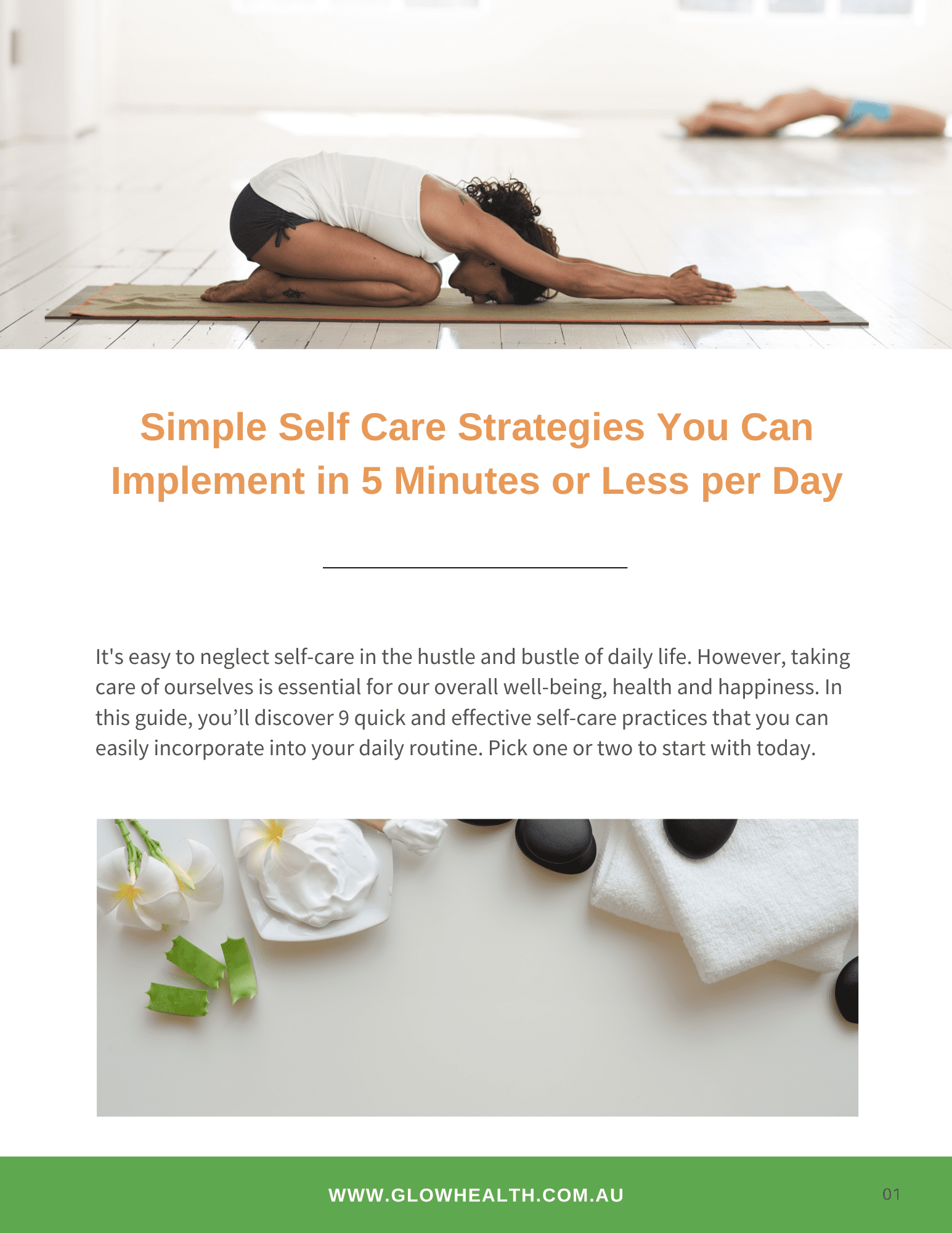
Its never selfish to practice self care daily. Negative effects to our health can come from repressed anger, over giving and saying yes when we mean no. Self care involves you learning to say no and doing something for yourself daily. Download our Self Care Reminder Handout.
TOXICITY TESTING

Its always important to consider toxin testing as part of your journey as toxicity can be one of several contributing factors towards your symptoms. With over 100,000 chemicals out there on the market its critical that you minimise your exposure as much as possible as well as “detoxing” any chemical overload from your body. Even if you do not think you have been exposed to chemicals consider POPs, Persistent organic pollutants, which are toxic chemicals that adversely affect human health and the environment around the world and can be transported by wind and water and are resistant to being broken down (hence “persistent”). Even though DDT was banned in Australia during the mid to late 80s, it is still found in soil and our environment today due to its persistent nature.
Recommended tests include Hair Mineral Analysis which can uncover heavy metals and the ToxDetect test can show environmental pollutants. There is also an add on test for ToxDetect for glyphosate which is used on agricultural crops, by councils and home use in the product called Roundup.
According to the renown John Hopkins institute in the USA, chemicals linked to Parkinson’s include:
- Organic pollutants: PCBs, or polychlorinated biphenyls. Researchers have found high concentrations of PCBs in the brains of people with Parkinson’s.
- Solvents: Trichloroethylene, a solvent, has been used in many industrial settings, such as metal degreasing and dry cleaning, and in paint thinners and detergents.
- Manganese and other metals: There’s a suggestion that exposure to various metals may be related to the development of Parkinson’s disease. High-dose manganese exposure — linked to certain occupations, such as welding — is known to cause a form of parkinsonism called manganism. Exposure to lead may also be associated with a greater risk of Parkinson’s.
- Pesticides/herbicides: Studies have shown a link between exposure to chemicals in pesticides and herbicides, and the incidence of Parkinson’s disease. These substances include the insecticides rotenone and permethrin (which may be found in clothing or nets treated to kill mosquitoes, for example); organochlorines, such as beta-hexachlorocyclohexane; and the herbicides paraquat and 2,4- dichlorophenoxyacetic acid (2,4-D).
The message is to go natural as much as possible when it comes to food, cleaning products, laundry products, dishwashing, make-up, shampoos / conditioners, soap, skin care, hair care, hair dye.
RECIPE OF THE MONTH

Wholefoods and fibre are important as part of your healing diet.
The highest fibre foods are beans and legumes. Think of ways you can incorporate them daily e.g. salads, soups, dips.
 Glow Health