

Berberine, a botanical extract found in about 450 to 500 different plant species within the Berberis genus, holds a promising potential. It is an alkaloid found in the root, rhizome, stem, and bark of several plants commonly used in botanical and Chinese medicine, such as goldenseal, Oregon grape, and barberry. Berberine’s increasing popularity stems from its potential to help promote heart health and healthy blood sugar metabolism, offering a beacon of hope for those seeking natural health solutions.
Berberine in blood sugar and lipid metabolism
According to the World Health Organization (WHO), cardiovascular disease (CVD) causes approximately 32% of all deaths globally. Common cardiovascular risk factors include dysregulated blood sugar and abnormal lipid panels (cholesterol & triglycerides), primarily influenced by modifiable lifestyle and dietary factors. According to the Centers for Disease Control (CDC), a person with diabetes is twice as likely to have heart disease. Research indicates that berberine may support pathways related to blood sugar and lipid metabolism in the human body. It may also help promote normal insulin function. Berberine may help support healthy blood vessels, cardiovascular function, and a normal response to inflammation. Evidence suggests that berberine may help support the body’s healthy inflammatory responses, which may, in turn, help support cardiovascular and metabolic health.
Berberine fasting Blood Glucose, Insulin and Hemoglobin A1C
In an in-depth review of 49 clinical studies, the participants who were administered berberine supplementation exhibited improved lipid status (triglyceride, total cholesterol, and low-density lipoprotein cholesterol), blood sugar metabolism, and systolic blood pressure. Specifically related to blood sugar metabolism, the review observed significantly reduced fasting blood glucose, insulin, hemoglobin A1C (a blood test showing your blood sugar regulation over the last 3 months), and homeostatic model assessment for insulin resistance in participants receiving berberine supplements. The researchers pointed out that berberine may be clinically beneficial to those with impaired metabolic health.
Berberine and Weight Management
Berberine may also support healthy weight and normal body composition. A systematic review examining in vitro and human models to evaluate the efficacy of berberine for weight management revealed various mechanisms through which it may support the treatment and prevention of obesity. Berberine administration increased serum growth differentiation factor 15 (GDF15) and upregulated GDF15 mRNA expression in brown adipose tissue. GDF15 is a stress-response cytokine that reduces food intake and lowers body weight.
Reducing Visceral Adipose Tissue
Similarly, in a review of 1,078 women with polycystic ovary syndrome (PCOS), berberine was found to reduce visceral adipose tissue in the absence of weight loss, promote insulin sensitivity, and support healthy lipid patterns. The review also demonstrated improvements in the ovulation rate per cycle and insulin sensitivity in ovarian theca cells, potentially being a safe compound for supporting fertility in women with PCOS; however, more robust clinical trials are needed to determine the proper dosage for long-term therapy before clinical conclusions can be made.
Lastly, studies also suggest that berberine may promote a healthy gastrointestinal (GI) microbial environment. A healthy GI microbial environment may promote healthy inflammatory responses and support healthy lipid status and metabolism of blood sugar.
Conclusion
Berberine is a botanical extract that may help support heart health, healthy blood sugar metabolism, insulin function, and a healthy weight. Consequently, berberine may be clinically beneficial to the aging population or those seeking ways to promote cardiometabolic health and improve body composition.
If you have an elevated waist measurement (above 80cm around the belly button is moderate risk for diabetes for women, over 87cm is moderate risk. Over 94cm for men is moderate risk and over 102cm is high risk), if you have elevated cholesterol or blood sugar then definitely consider taking a berberine supplement.
What Supplements Do We Recommend?
Not all brands are the same. Most do not spend money on third party testing to ensure the raw material from suppliers is A grade and has full therapeutic strength. They also dont test the final finished product to ensure no quality and strength of the herb has degraded in the processing as well as shelf life stability e.g. it will still be full strength by the end of the use by date.
Our recommended berberine supplements include:
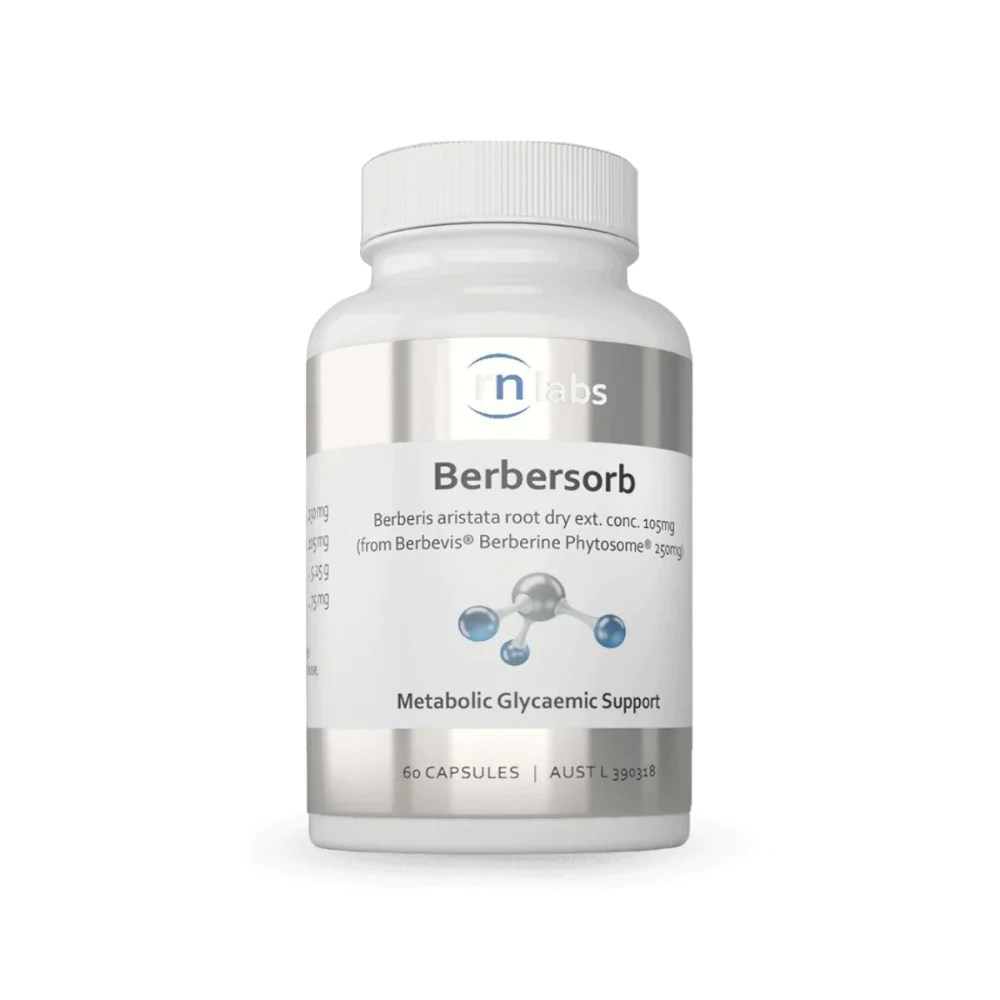 Berbesorb capsules – Using a patented phytosome technology, the absorption of berberine is optimised 10 times – utilising this form has shown in clinical trials to contribute to metabolic wellbeing by lowering blood glucose, and to have a positive effect on body composition, inducing redistribution of adipose tissue even without subjects being on a low-calorie diet.
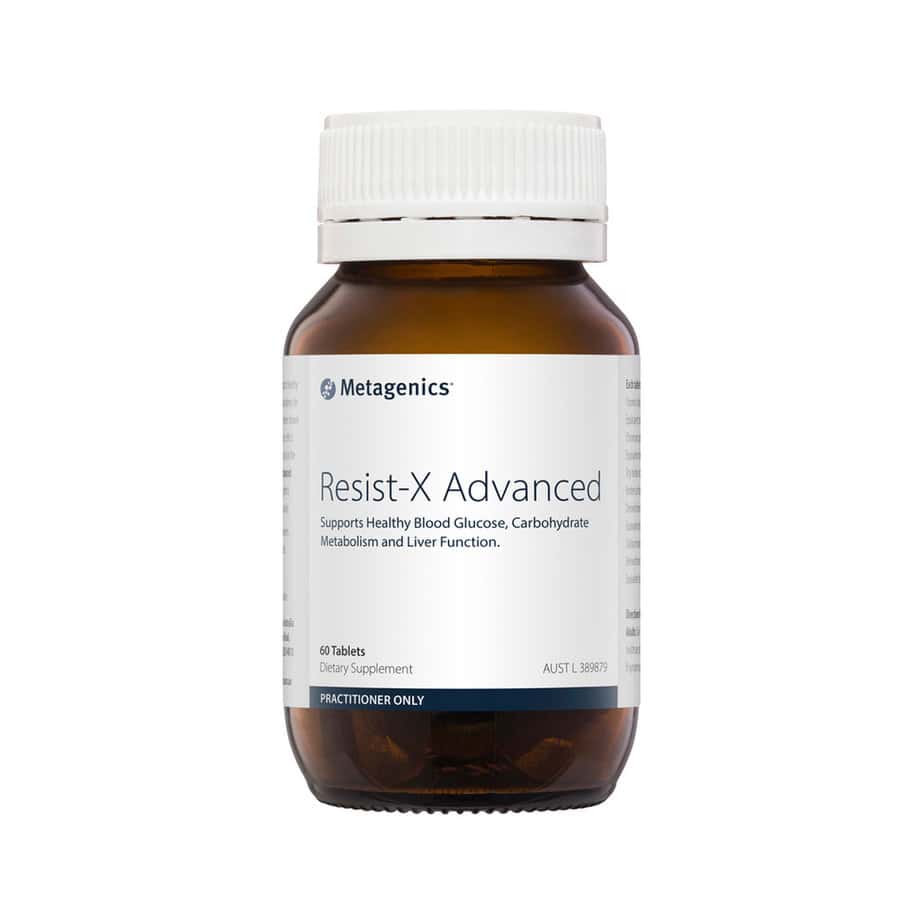
Resist x Advanced – Helps Support Healthy Glucose and Carbohydrate Metabolism utilising berberine and chromium. Also effective for lowering cholesterol. Innovative formula containing berberine, chromium and milk thistle which exert a synergistic effect to target insulin resistance and liver dysfunction simultaneously.
NOTE: You must be registered for our online shop and logged in to purchase any supplements.
 Glow Health